Event Format and Occasion
Weddings and Receptions
Weddings and receptions demand a catering service type that matches the couple’s vision and the venue’s practical limits. The sit-down plated dinner remains the most formal option, but many South African couples choose a family-style sharing menu to encourage conversation. A cocktail reception with butler-passed canapés suits a shorter event, while a full buffet works for larger guest counts.
The event format shapes every decision. For a seated dinner, you need a precise timeline and a trained service team. For a grazing table, you need a skilled kitchen crew to replenish dishes throughout the afternoon. The reception’s location determines which catering service types are feasible. I have seen too many receptions fail because the format clashed with the venue’s layout!
- Plated service offers portion control
- Buffet service lets guests choose portions
- Food stations add interactive entertainment
- Family-style platters build shared experience
Staffing and equipment needs vary across these formats.
Corporate Events and Conferences
Corporate events live or die by their catering service types, yet many planners default to the same tired buffet. At conferences, the schedule dictates everything. A plated lunch keeps attendees seated and on time, while action stations allow delegates to graze between sessions. For evening networking events, consider these catering service types:
- Butlered canapés for easy mingling
- Food trucks for a relaxed vibe
- Tasting platters that reflect local South African flavors
Each format changes staffing and equipment needs. A morning conference might only require coffee and pastries, but an all-day summit demands hot meals and dietary options. Match the service style to the agenda, and the event will run smoothly. The right catering service types turn a break into a highlight.
Private Parties and Social Gatherings
A private gathering reveals the host’s priorities. It reflects the relationship with time, with guests, with the food itself. In my experience, the chosen catering service types set this tone before the first handshake. A casual afternoon with braaied meat and cold salads invites lingering, while a seated multi-course dinner creates a different intimacy, one of attention and conversation.
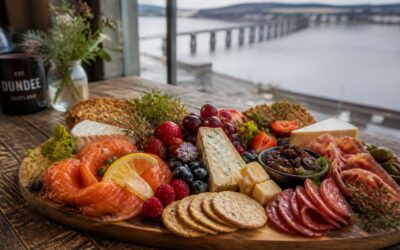
- Grazing tables for unhurried mingling
- Buffet stations for shared discovery
- Family-style platters for enforced togetherness
Each option carries its own social weight. At a birthday party in Cape Town, I watched a grazing table turn strangers into collaborators as they reached for the same biltong platter. These service structures feed people and choreograph the evening’s interactions.
Festivals and Large-Scale Events
Large-scale events move to a different rhythm. The crowd is a living thing, shifting across festival grounds, and the food must keep pace with its hunger. At a multi-day festival in the Lowveld, I have seen catering service types become survival strategies. The queue is a ritual. The food offers temporary relief from the dust and heat.
These events demand a different architecture. The lines blur between guest and wanderer. Food stations operate in frantic cycles, their rhythm dictated by the stage schedule. A scattered arrangement of food trucks and open-air kitchens allows for natural dispersal of the crowd. Some catering service types, like mobile braais or paella pans, create spectacle through fire. Others, like pre-packaged grazing boxes, offer quiet efficiency for those who refuse to leave the main stage.
In this chaos, the format dictates the feast. Large platters handed over a counter feed a thousand stories. The service must be robust, flexible, and unapologetically bold.
Service Style and Presentation
Buffet Style
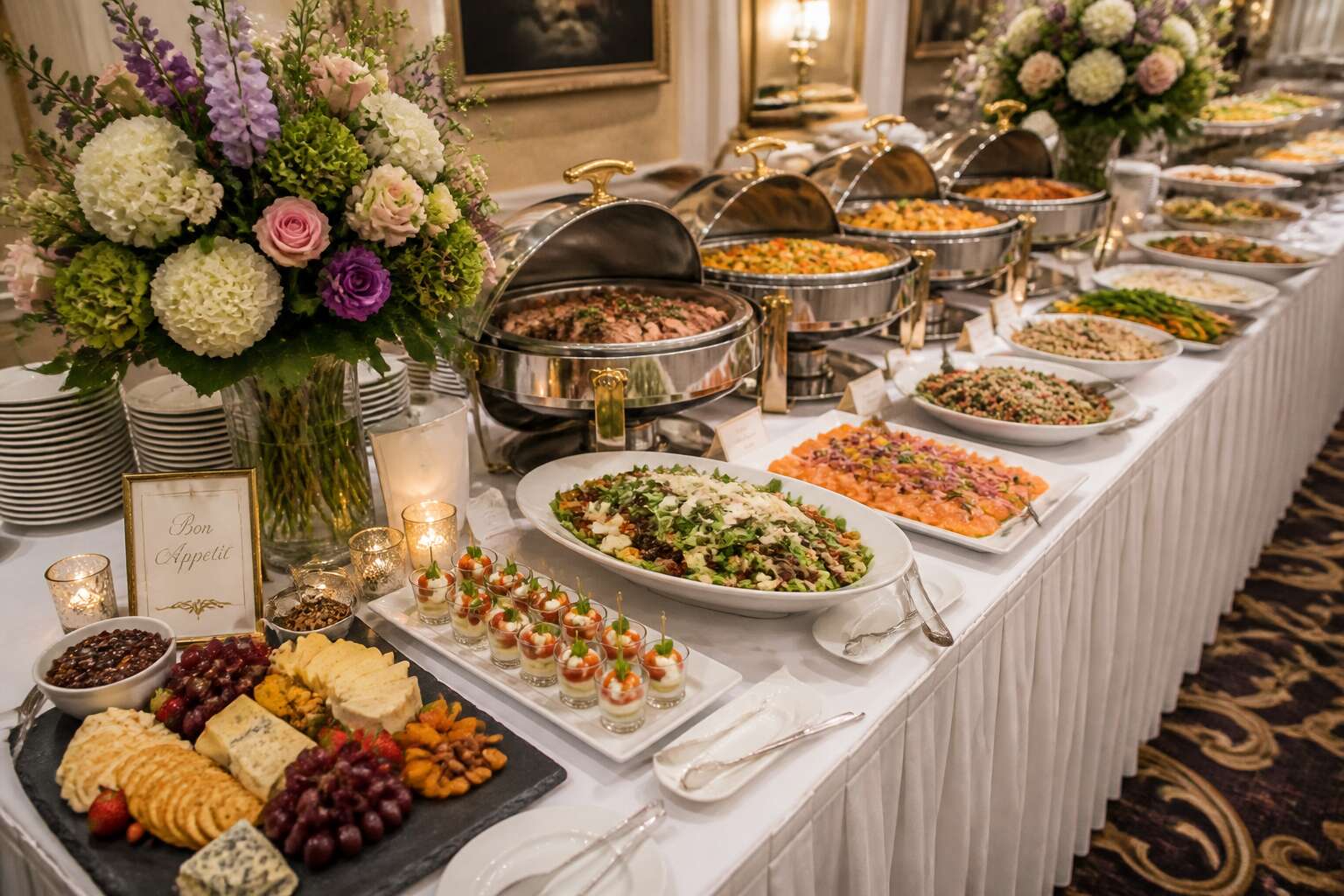
Most event planners will tell you that buffet service reduces food waste by up to 30% compared to plated meals. Among all catering service types, this adaptability makes buffet style the most flexible option. It allows guests to move at their own pace, which changes how an event proceeds. I have seen a plated dinner create formality, while a buffet encourages conversation and movement. The presentation matters as much as the food itself.
Consider the layout. Chafing dishes at varying heights, carved meats stationed at the end, and salads placed first. This arrangement prevents congestion. A well-designed buffet uses visual cues to guide guests.
Here is what separates a mediocre buffet from a memorable one:
- Temperature control for hot and cold items
- Replenishment timing that avoids empty trays
- Portion sizes that match the guest count
These details define the experience. They apply across all catering service types, and when done right, a buffet feels effortless, yet it requires precise coordination.
Plated Sit-Down Dinners
Plated sit-down dinners demand precision among catering service types. A single error, and the meal fails. I once watched a waiter deliver 200 plates in twelve minutes, each one placed in the same spot on every table. That is not luck. That is skill!
Every plate leaves the kitchen as a finished product. The chef plates, the runner carries, the server presents. Temperature, texture, and timing must align perfectly. A cold plate ruins a hot meal. A delayed course disrupts the evening’s rhythm.
- Table numbering that actually makes sense
- Kitchen-to-table distance planning
- Staff ratios for seamless service
Compared to other styles, plated dinners demand more staff and tighter coordination. The payoff is elegance and control. Guests stay seated, courses arrive in sequence, and the event maintains a deliberate pace.
Food Stations and Action Cooking
Food stations change the pace of an event. Guests move freely and choose what catches their eye. At a live cooking station, the grill hisses. The chef works in full view, flipping, seasoning, plating.
Action cooking brings a visible energy. The heat, the smoke, the anticipation. I have seen guests lean in as the chef finishes each plate. They ask questions. They request adjustments. That interaction makes every plate personal!
A station layout demands careful planning. The queue must avoid bottlenecks. Each station should offer one compelling dish. Replenishment has to keep pace with demand. Among catering service types, food stations give guests control over portion and pace.
Popular station formats include:
- Carving stations with roast meats sliced to order
- Pasta stations where sauces are tossed in front of the guest
- Live grill stations for seafood and skewers
- Interactive dessert stations for crepes or ice cream
Family-Style Service
“Pass the platter.” Those three words can shift the energy of a room. In my years as a caterer, I have watched family-style service bring strangers into easy conversation. It ranks among the catering service types that reward generosity. The host trusts that the bobotie, the roast potatoes, and the seasonal greens will stretch far enough. The guests trust that sharing creates plenty.
Family-style sits between buffet and plated service. Platters arrive together and travel from hand to hand. Portions become friendly negotiations. The meal moves at a pace set by the table, not the kitchen! These catering service types depend on thoughtful planning:
- Platters must be light enough for guests to pass comfortably.
- Each menu should balance protein, starch, and vegetables.
- Serving utensils need long handles for easy reach.
Every table becomes a small community. When the dishes are finally cleared, there is a quiet satisfaction that comes from having fed one another.
Drop-Off and Delivery
The moment a dish reaches the guest reveals the caterer’s planning. A server’s white glove, a tabletop arrangement, a package handed over with instructions. These moments define the catering service types that move beyond the kitchen. Service style and presentation manage the visual and social layers of a meal. The movement of staff, the placement of each course, the timing of reveals.
Drop-off and delivery demand a different discipline. No staff, no chafing dishes. The container carries the full responsibility. Temperatures must hold, sauces must survive transit, and garnishes must arrive intact. In South Africa, where distances between venues and kitchens stretch, this is an essential option among catering service types.
- Service style prioritises interaction and pacing.
- Drop-off focuses on packaging and thermal retention.
- Presentation builds spectacle, delivery builds reliability.
The client chooses between a cold table ready for assembly or a hot service that depends on insulated boxes.
Cuisine and Menu Specialization
Regional and Ethnic Cuisines
No kitchen is neutral. A caterer’s grasp of regional and ethnic cuisines often separates a standard menu from a memorable one. In South Africa, where Cape Malay, Zulu, Indian, and Afrikaans food traditions meet, catering service types must account for flavour expectations that go beyond surface preferences. Diners can tell when a curry base has been rushed or when a pap is missing its proper texture.
A capable caterer might offer:
- A Zulu feast with braised meat and seasonal grains
- An Indian wedding thali with careful spice balancing
- A Cape Malay menu with slow-cooked bredie and sambals
Regional menus rely on specific ingredients, spice blends, and cooking techniques. A caterer who knows these details can adjust heat, texture, and presentation without losing authenticity. This matters for clients who want a taste of home or a respectful introduction to a culture. The best catering service types in this category treat regional food as precision work, not a theme.
BBQ and Grilled Specialties
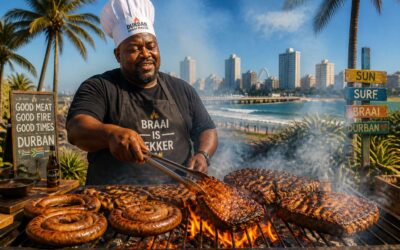
The smell of wood smoke and seared fat drives demand. In South Africa, people often request catering service types that feature a braai, yet few understand the difficulty at scale. A caterer must manage fire zones, resting times, and portion control across hundreds of guests. That takes precision, not a bigger grill.
The variables are unforgiving. Thickness, heat, and wood species all shift the outcome. I have watched caterers lose a whole batch of ribs by trusting a timer instead of their eyes. The best ones rely on timing and heat control.
- Direct flame for thin cuts like sosaties
- Indirect heat for whole birds and thick chops
- Slow smoke for brisket or pork shoulder
These catering service types rely on preparation, not showmanship. Rubs and marinades are weighed, wood is seasoned, and each cut is timed.
Plant-Based and Vegan Menus
The plate looks almost too beautiful to eat. A roasted cauliflower steak rests on a swirl of butternut purée, scattered with pomegranate seeds and toasted pumpkin nuts. In South Africa, plant-based catering has moved far beyond one sad salad. These catering service types now rely on seasonal produce and bold spices to create real depth.
A caterer must think about protein, texture, and color. No meat means no natural umami shortcut. The best approach involves building flavor with marinades, smoke, and fermentation.
Common plant-based menu elements include:
- Hearty grains like sorghum and barley
- Grilled vegetables with smoky rubs
- Legume stews with citrus and herbs
Caterers also need to handle dietary labels with care. Veganism has strict boundaries, and a stray splash of honey can break trust.
Seafood and Raw Bar Concepts
Few catering service types demand the same precision as a seafood and raw bar lineup. The window between shucking and serving is measured in minutes, not hours. I have watched experienced caterers handle that timing under pressure, and the discipline shows.
In South Africa, this style leans on local abundance. Knysna oysters, West Coast mussels, and line fish appear as crudos, ceviches, and dressed halves. A caterer coordinates ice, temperature, and acid to keep every plate bright.
- Oysters with a vinegar mignonette or peri-peri dressing
- Tuna and salmon crudos with citrus and fennel
- Pickled mussels or grilled prawn skewers
The visual rhythm is part of the appeal. Ice glistens, shells sit in perfect rows, and diners move through the display with clear intent. I still stop to watch every time.
Dessert and Pastry Focused Services
Plated mains get the glory, but the most revealing catering service types are dessert and pastry focused services. A soggy mille feuille exposes a kitchen’s true skill. In South Africa, familiar flavours become technical exercises in sugar, butter, and restraint.
Pastry work demands accurate temperature, controlled sugar ratios, and timing that ignores your schedule. I have watched a chef cool a ganache to exactly 30 degrees before whipping. That is the standard.
- Rooibos panna cotta with honeycomb
- Malva pudding bonbons
- Koeksister ice cream sandwiches
The final display should feel calm and deliberate. Glass covers, fresh figs, a quiet server with a sharp knife. Guests remember the last bite.
Dietary and Lifestyle Accommodations
Gluten-Free and Allergen-Aware Options
The days of gluten-free meaning a sad lettuce leaf and a stern look are over. In South Africa, where braai culture dominates, dietary accommodations have become a defining test of catering service types. One in ten South Africans reports a food sensitivity. That is not a niche. That is your guest list.
A serious caterer treats allergen awareness as a baseline. This means cross-contamination protocols, clear labelling, and chefs who do not flinch at wheat questions. The best teams provide:
- Separate prep surfaces for gluten-free dishes
- Allergen information cards at every food station
- Local alternatives like sorghum bread or maize meal options
When vetting caterers, scrutinise how each handles dietary queries. Their answer reveals their professionalism.
Kosher and Halal Certification
Kosher and Halal certification demands precision. Many South African guests follow religious dietary laws that require certified ingredients and separate preparation areas. A caterer who treats these requirements as optional will lose credibility fast. The best catering service types for this scenario include specialist kosher kitchens and halal-certified operations. These catering service types require rigorous oversight and well-trained staff. Key features to expect:
- A valid certificate from a recognised authority
- Sealed packaging that remains unbroken until service
- Dedicated sinks, ovens, and cutting boards
These details matter because they build trust. When you book a caterer, ask about their supervision schedule. If they hesitate, move on. Your guests’ spiritual needs deserve a straight answer, not a shrug.
Low-Carb and Keto Friendly Menus
Low carb and keto friendly menus have stopped being a niche request. South African guests now ask for cauliflower rice with the same seriousness they once reserved for malva pudding. The catering service types that handle this well treat carbs as a design problem, not a punishment. They build plates around protein, healthy fats, and vegetables that actually taste like something.
- Grilled linefish with almond flour crust
- Biltong and cheese platters with celery sticks
- Avocado and boerewors skewers
These caterers understand that cutting carbs should not mean cutting flavour. They also know that one guest’s keto is another guest’s preference, so they label everything clearly. I have seen too many events derailed by a guest who bit into something they were told was safe! That clarity saves everyone from awkward conversations.
Child-Friendly Menu Selections
A hungry child is the most honest food critic in the room. Parents notice which catering service types treat kids as clients, not afterthoughts. The caterers who earn that trust prepare familiar food with honest ingredients. Small portions matter, but so do identifiable flavours. A child who recognises the flavours on their plate is more likely to eat it.
Dietary and lifestyle accommodations at children’s tables go beyond allergies. Some families follow strict dietary rules, others avoid processed sugar, and many children simply refuse mixed textures. The best catering teams ask these questions before the menu is written.
- Plain chicken strips grilled, not fried
- Macaroni with a simple cheese sauce
- Fruit platters arranged like animals
These same caterers separate kids’ meals from adult dishes to prevent cross-contact. They label common allergens clearly, even when the law does not require it. South African parents appreciate that care, and the children eat without drama.
Operational and Business Models
Full-Service Catering
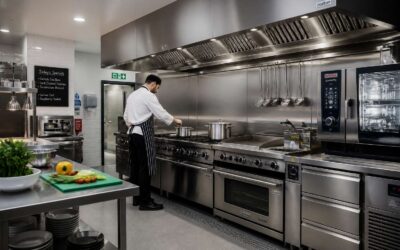
Every full service event carries an operational complexity that most catering service types do not share. The caterer must orchestrate staffing rosters, equipment inventories, and transport logistics on a single timeline. In South Africa, that often means preparing in a central kitchen one morning, then driving refrigerated units to a vineyard outside Stellenbosch or a lodge in the bushveld by nightfall.
The business model hinges on resource allocation. The recurring costs alone are considerable:
- Kitchen infrastructure and maintenance
- Skilled labour across culinary and service roles
- Refrigerated transport and backup power supply
Some operators own their entire stock of tables, linens, and glassware. Others lease per event to keep overheads flexible. I have watched businesses succeed and fail on that single decision. Refrigerated transport alone can destroy margins in the Highveld summer!
Mobile Food Truck Catering
The mobile food truck model strips catering down to its essentials. No central kitchen, no storage warehouse. Just a vehicle, a generator, and the open road. In South Africa, operators treat route planning as a daily ritual, scanning traffic and load shedding schedules to find the next viable pitch. I have watched an experienced driver abandon a promising pitch twice in one afternoon because the crowd moved elsewhere. He packed up without complaint!
The economics depend on three variables:
- Location and foot traffic
- Menu complexity and prep time per order
- Permit compliance across municipalities
A weekend festival booking can cover an entire week of costs. A quiet Tuesday breaks that momentum completely. That volatility defines this catering service type. The operators who survive treat their margins with the same discipline as their recipes.
Restaurant-Based Catering
Restaurant-based catering turns the idle hours of an established kitchen into a second revenue stream. Most eateries in South Africa see a lull between lunch and dinner. That gap becomes the production window for events. The overhead is already covered by the dining room. Equipment, trained staff, and supplier relationships are in place. Among catering service types, this model leans on assets that already exist.
The operational model is efficient. Prep happens on slow afternoons. The kitchen already complies with municipal health regulations. This shortens lead times. I have watched this model double an eatery’s event revenue within months.
The constraints are real. The dining room takes priority. Event dates can clash with peak service. Menus often remain standardised to protect kitchen flow. For a Cape Town grill house, a corporate steak dinner is a natural fit among catering service types. A Durban curry house handles a wedding party with the same ease.
Rental and Equipment Inclusive Services
Rental and equipment inclusive services solve a puzzle that many hosts face: the gap between a great menu and a workable venue. These catering service types bundle tables, glassware, chafing dishes, and even temporary kitchen units into one quotation. For a Johannesburg estate wedding or a Stellenbosch cellar function, this collapses weeks of logistics into a single contract.
On the operational side, the catering team becomes both chef and logistics manager. They know exactly how many burners a dish needs. They account for power draw, water access, and refuse removal before the first crate is loaded. The business model relies on volume and utilisation, since equipment sits idle between events.
- Loading and offloading procedures
- On-site maintenance and wash-up crews
- Backup generators and gas supply
Clients pay for certainty. When the marquee goes up and the rain holds off, nobody thinks about the supplier of the crockery. They just notice that everything works.
Hybrid Virtual Event Catering
Hybrid virtual events are the catering industry’s version of a magic trick. You’re feeding a live audience in Sandton while simultaneously beaming the same experience to a laptop in London. The operational model demands a separate line of thinking. Plating stations become filming locations. Servers double as camera operators. The business model shifts from per-head pricing to package tiers that include ingredient delivery, prep timelines, and interactive segments. These catering service types require a different kind of hustle.
Consider what now needs to be in the contract:
- Heat-and-assemble meal kits with shelf-stable components
- Pre-recorded chef tutorials timed to the host’s agenda
- Dedicated tech support for audience Q&A during courses
Each kit must survive a courier’s journey, not just a chafing dish. The profit margin lives in the logistics, not the silver service.

0 Comments