Understanding Local Platter Trends
Seasonal Ingredient Spotlights
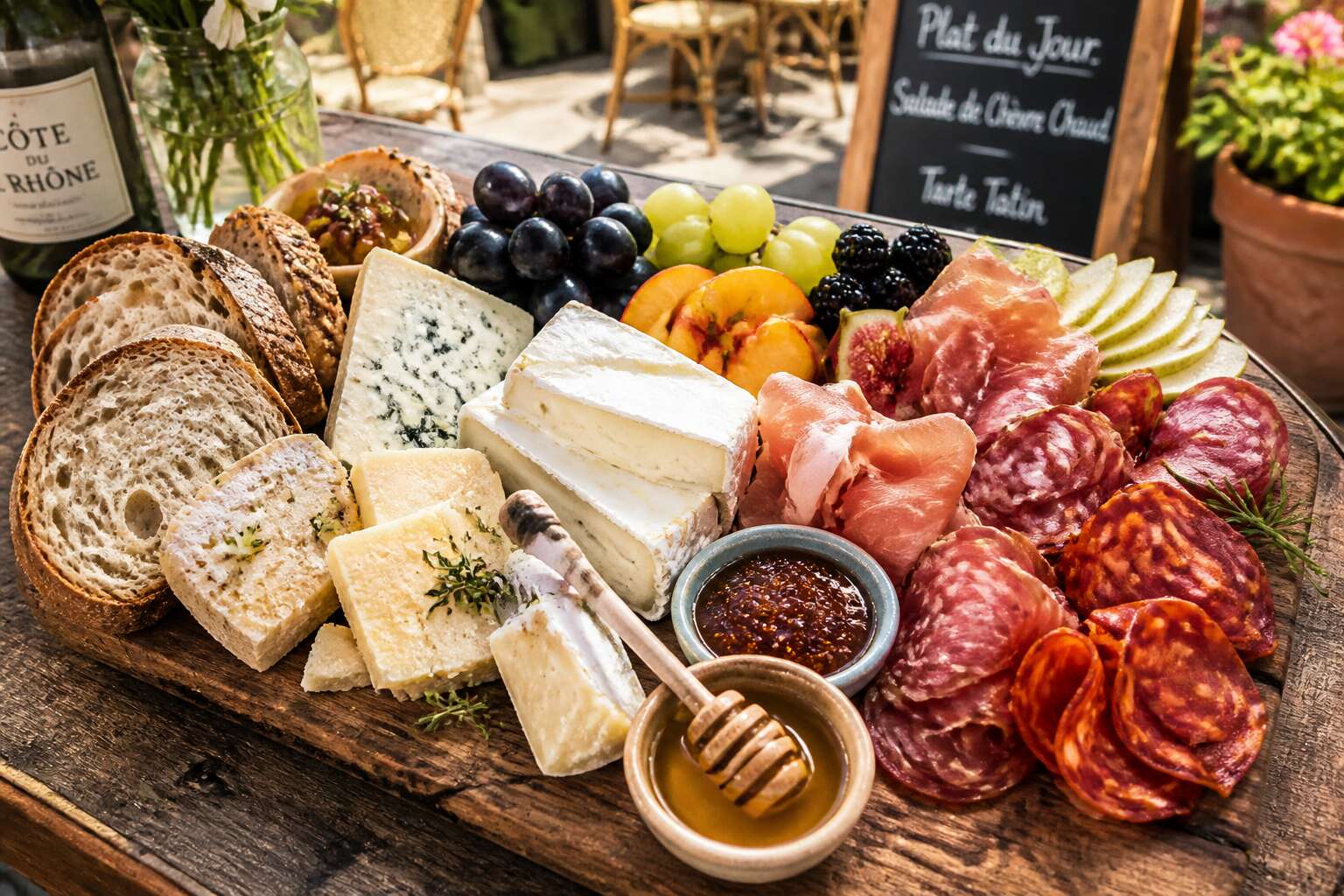
The art of the South African platter used to be a predictable assembly of droëwors, cheddar and pickled onions. Not anymore. Locals now demand boards that reflect the Western Cape’s harvest cycle, which means stone fruit in December and wild mushrooms by April! I have watched caterers swap imported cheeses for local Karoo varieties, and the shift has changed how we order.
A well-composed platter should track the season:
- Citrus from the Eastern Cape in winter
- Youngberries in spring
- Patagonian squid along the coast in autumn
Finding food platters nearby used to mean settling for frozen prawns and wilted garnishes. Today, many neighbourhood delis source from weekly markets, so the board changes with each rainfall. That is the real trend, a reflection of what grows within a few hours of your home.
Popular Cuisine Fusions Across Regions
Cape Town’s platter scene has become a fascinating study in culinary convergence. I recently counted eleven distinct cultural influences on a single board at a small coastal town deli, from Portuguese peri-peri to Malay samoosas. That number would have been unthinkable five years ago. The demand for food platters nearby is now driven by people who want to taste the multicultural reality of their own neighbourhood, not a sanitized version of what a caterer thinks a platter should be.
The fusion trend follows a logical path. These cuisines share ingredients, cooking methods and historically interwoven communities. A butcher in Bo-Kaap might use the same cut of lamb that a Cape Malay family has marinated for generations. When one of those families opens a deli and pairs that lamb with a Dutch-inspired pea pesto, the result is a board that tells a story of migration and adaptation.
What you will find on a modern regional platter often depends on the postal code. My observations of the local urban spread reveal a few common combinations:
The old rules of pairing, where each element sat in its own neat compartment, have fallen away. Instead, chefs are layering flavours that once seemed incompatible. I watched a caterer in Franschhoek smear a wild mushroom pâté on a cracker and then add a tiny spoon of pineapple salsa. It worked. The guests asked for seconds.
In Durban, the influence of the Indian Ocean is undeniable. A platter there might feature bunny chow-inspired fillings, samosa pastries and a cooling raita. Up north, in Johannesburg, the trend leans towards a bold mix of Portuguese flame-grilled items and Tsongo-inspired marinades. The texture of these boards mirrors the cities themselves, where the urban grid is constantly rearranged by new arrivals and old traditions finding fresh expression.
For anyone searching for food platters nearby, the most reliable indicator of quality is how well the board reflects its immediate region. The Cape blends its colonial histories with a strong indigenous undercurrent. The Eastern Cape leans into its Xhosa heritage, with more maize-based elements and slow-cooked meats. These boards are not mere snack assortments. They are edible maps of the local palate, charting the subtle shifts in taste that happen when communities share a table.
Accommodating Dietary Preferences and Allergies
Eighty percent of guests will have at least one dietary restriction, yet many platter orders ignore this reality until the moment of service. That statistic comes from my own years of catering events where the conversation inevitably turns to what people cannot eat. The search for food platters nearby often starts because a host knows their group includes a vegan cousin, a gluten intolerant colleague and a child with a nut allergy. The success of that gathering hinges on how well the platter accommodates these needs without turning into a bland assortment of sad carrot sticks.
The modern platter provider has responded with remarkable agility. I have worked with small delis and large caterers who now maintain separate preparation stations for allergen control. They source locally and label every component with precision. The best among them ask questions before they even quote a price. They want to know about cross contamination risks, the severity of allergies and the cultural or religious dietary laws that might apply.
What you will commonly see on a well adjusted board includes:
1. Dairy free options like cashew based spreads and olive tapenade
2. Gluten free crackers made from maize or rice flour
3. Halal and kosher certified meats, clearly separated
4. Vegan protein alternatives such as marinated tofu or roasted chickpeas
5. Nut free pesto and sauces, clearly marked
I recently ordered a platter for a mixed group where half the table kept kosher and the other half followed a strict vegan diet. The provider did not blink. They built a board with a clear centre divider, placing vegetable skewers and hummus on one side and grilled chicken and cheese selections on the other. The presentation was beautiful and the meal was stress free. That level of consideration is what separates a good service from a memorable one.
The demand for these tailored boards has changed how kitchens operate. A chef in Cape Town told me he now keeps a dedicated drawer of gluten free flours and a separate fryer for items that must not touch wheat. He orders fresh produce twice as often to accommodate the shorter shelf life of preservative free items. This attention comes at a cost, but guests notice the difference and return for it. When you search for food platters nearby, ask about their handling of allergies before you ask about price. A vendor who understands cross contamination is worth every rand.
Eco-Friendly and Sustainable Packaging Practices
When guests ask for food platters nearby, they increasingly inspect the packaging as closely as the contents. The shift toward sustainable practices has moved from niche to expectation, and South African vendors are leading with clever solutions.
I have watched local suppliers swap plastic cling wrap for beeswax cloth and compostable palm leaf trays. They use recycled cardboard boxes with water based inks. Some even offer a return scheme for glass jars and wooden boards.
- Biodegradable bamboo skewers
- Corn starch cutlery
- Reusable linen napkins
This attention to waste reduction changes how platters arrive and how hosts dispose of them. A delivery that leaves nothing behind but crumbs feels rare, yet it is becoming the standard for the best food platters nearby.
How to Evaluate Quality in Pre-Made Platters
Freshness Indicators to Look For
Most of us have been tempted by the gleaming display of a pre-packaged platter, only to wonder about its true age. A vital statistic in the catering industry suggests that up to 30% of prepared foods are discarded due to spoilage. This reality makes evaluating your options before ordering food platters nearby a crucial skill, not just for your budget, but for your health. The visual appeal of a beautifully arranged tray can be deceiving when you are not the one who assembled it.
The first thing your senses should detect is the aroma. Fresh ingredients possess a clean, crisp scent, whether it is the earthy smell of vegetables or the subtle brine of seafood. If the platter smells overly sweet, sour, or simply faint, that is a red flag. Furthermore, inspect the condition of the leaves and garnishes. Wilted edges, browning on cut fruit, or mushy tomato slices indicate that the platter has been sitting for too long. Of course, some items are naturally more robust, so keep a discerning eye on the more delicate components.
Looking closer, you can assess the structural integrity of the presentation. A quality platter should show evidence of careful assembly, with distinct separation between wet and dry ingredients. This practice prevents sogginess and bacterial cross contamination. When you are searching for food platters nearby, remember that freshness also lives in the details of the packaging. Check for excessive condensation on the inside of the lid, which can cause premature decay.
Look for these clear indicators of a well-maintained platter:
– A use-by date that offers a full day of shelf life remaining, not just a few hours.
– Firm, plump proteins that do not have a shiny, slick film on their surfaces.
– Crackers and breads that are still hard and snap cleanly, rather than bending.
– No evidence of ice crystals or water pooling at the bottom of the tray.
Freshness is not always about the date stamped on the label, but the journey the food has taken. A responsible provider understands the delicate balance of chilling and packaging. When you find a vendor that prioritises this, you can trust the safety of their products. Therefore, the next time you look for food platters nearby, pay attention to these small signs. They tell the true story of the food’s quality and the care of the people behind it.
Portion Sizing and Serving Counts
Portion sizing relies on precise numbers. When you examine food platters nearby, count the pieces against promised servings. A tray meant for ten guests rarely satisfies with six slender slices. The weight of each morsel matters as much as the count.
Serving counts demand scrutiny. For a corporate gathering, expect two to three bites per person. For a wedding, the measure shifts to five or more. Without these figures, hunger becomes a common complaint.
To gauge adequacy, consider this:
- One full platter serves four to six as a starter.
- Eight people require two platters or one with substantial proteins.
- Children consume half the portion of adults.
- Seafood platters shrink quickly; overestimate by twenty percent.
These ratios transform guesswork into certainty when ordering food platters nearby.
Visual Presentation and Garnish Appeal
Look at the edges of the tray first! Wilting parsley or sauce crusted on the rim tells you the kitchen rushed. When I evaluate food platters nearby, I check for symmetry. The protein should line up with purpose, not spill into the vegetables. Garnish appeal is about freshness, not volume. A few vibrant herbs or a scatter of citrus zest can signal care. Overloaded trays often hide mediocrity behind greenery.
Colour contrast matters too. A board of beige starches with pale chicken looks tired. Bold vegetables or pickled onions add intention. The best platters balance shapes, textures, and heights. Slices fanned neatly, leaves placed deliberately, and sauces in small pots rather than pooled on the base.
When you order food platters nearby, inspect cut surfaces on pre-made trays. They should look moist, not dried out. Dry edges and cracked cuts are the first signs of age.
Taste Testing Strategies for First-Timers
The palate is the last honest judge. When you order food platters nearby, resist the urge to fill your plate immediately. Taste the simplest component alone. Cold cuts should offer flavour without chutney or bread. A first bite reveals the kitchen’s handiwork.
Work from the mildest item to the boldest. This builds a sequence. It maps the platter’s composition.
For first-timers, consider these steps:
- Taste the protein at room temperature.
- Sample the pickle or relish last.
- Swallow, then note the aftertaste.
Any metallic trace or cloying sweetness lingers. Trust that sensation. It speaks of rushed preparation. Seek out food platters nearby that reward careful tasting.
Shelf-Life and Storage Considerations
Nearly 40% of pre-made platters lose their integrity within two hours of refrigeration. That number demands attention for anyone seeking food platters nearby. When I evaluate a pre-made platter, I inspect the boundary between wet and dry components. Cucumber juice pooling on soft cheese suggests careless assembly. Reliable platters use parchment barriers or separate wells.
Shelf-life depends on the cold chain. Storage must stay below 4 degrees Celsius from shop to serving table. I always verify the use-by date on the base tray, not the decorative sticker. A platter with a clean appearance but a faint sour note has already turned.
- Feel the tray’s underside for condensation, a sign of temperature abuse.
- Peel back one corner of the film and take a quick sniff.
- Check that the chill pack touches the protein directly.
These checks reveal whether food platters nearby survive the journey home. Trust your nose and your hands.
Budget-Friendly Platter Ideas for Every Occasion
Office Lunches and Team Meetings
When planning office lunches, the cost per person often determines the spread. Budget friendly does not mean bland. Local caterers frequently build platters around seasonal vegetables and tinned fish, which keeps prices honest. I have seen teams share a Mediterranean style board with hummus, olives, and roasted peppers for under R40 a head. To keep things economical, consider these approaches:
- Choose two or three hearty bases like bread rolls, rice salads, or potato wedges before adding proteins.
- Order from food platters nearby that offer mix and match boxes rather than fixed packages.
A well composed platter for a team meeting should prioritise filling carbohydrates and protein. Avoid pre-cut fruit, which browns quickly and looks tired by midday. Instead, offer whole apples and oranges. This reduces waste and keeps the table tidy for the afternoon session.
Family Gatherings and Holiday Feasts
Few social landmines rival the family gathering where a relative has over-catered to compensate for something. The solution often lies in a calculated move toward food platters nearby. A local board, assembled with grace and restraint, sidesteps the frantic oven roulette of a full holiday roast.
The art of the family platter is actually about crowd control. It encourages grazing over queuing. This social shift is worth its weight in gold (or biltong). The key is to lean on robust staples that invite repeat visits without fuss.
For a memorable spread, consider these components:
– A generous mound of crispy potato wedges with a smoky aioli.
– A wheel of soft cheese, placed strategically next to a bowl of pickled onions.
– Thick slices of farmhouse bread for building substantial snacks.
– A dish of curried egg salad, a nostalgic nod that pleases the older generation.
This approach keeps the budget sitting comfortably below R200 for a sizable crowd. It allows the host to remain seated, glass in hand, rather than chained to the kitchen sink. The humble platter thus becomes a quiet act of social engineering, ensuring the holiday conversation revolves around memories, not the price of lamb.
Picnic Essentials for Outdoor Adventures
The Sunday picnic is a South African institution, though the menu usually becomes a last minute scramble. Rather than heating up the kitchen, I always check food platters nearby for ready made boards. A park bench, a blanket, and a tray of simple goods beat a hot stove every time!
Focus on items that tolerate sunshine and a few hours in a cooler box. Hard cheeses hold their shape, while cured meats and pickled vegetables only improve with time. For a lakeside or mountain trail lunch under R150, keep this formula in mind:
- Roosterkoek or thick slices of farmhouse bread
- A jar of atchar or chakalaka for spooning over
- Biltong strips that need no refrigeration
- Apples and naartjies for a fresh finish
Pack each component separately and assemble at the destination. The platter becomes a shared activity, not a performance. Nobody queues for lunch when the blanket is the table.
Casual Get-Togethers with Friends
Cost per head matters when friends come over, even when nobody speaks the number aloud. A platter solves this tension when you build it from affordable staples rather than premium charcuterie. I search for food platters nearby that offer mixed boards under R120 for two people. That price point usually covers a decent cheese, some droëwors, and a relish.
Consider this composition for a simple gathering:
- One block of mature cheddar, cubed at the table
- A handful of roasted peanuts in their shells
- Two types of savoury biscuits
- A jar of peri-peri olives
The method is to let the cheaper items dominate the surface area. Olives and peanuts fill the empty spaces, making the platter look abundant without the cost of extra meat. Compare food platters nearby and you will find the arrangement matters more than the price tag.
Healthy Snack Platters for Fitness Enthusiasts
Budget-friendly platters for every occasion don’t require a deli counter. Hearty staples like roasted vegetables, corn on the cob, and hummus cover a lot of space. I regularly search for food platters nearby that use these ingredients. This approach works for a family lunch, a Sunday braai, or a school fundraiser.
Healthy snack platters for fitness enthusiasts need a different balance. Protein and fibre should lead the board, not crackers and cheese. When I compare food platters nearby, I look for options with lean meats and fresh produce. A simple list for a balanced board:
- Grilled chicken strips with lemon
- Cucumber rounds with tzatziki
- Apple slices with almond butter
These items keep energy steady without the sugar crash. The platter becomes a tool for recovery, not a simple grazing board!
Kids’ Party Platters That Please
Children have a peculiar genius for ignoring elaborate spreads. A platter that appeals to their tastes needs familiar items, not culinary experimentation. Sausage rolls, mini samoosas, and cheese cubes are reliable anchors. When I order food platters nearby for my daughter’s birthday, I request those staples first.
The real trick is portioning each item into manageable bites. Small hands prefer picking up one piece at a time. A simple layout with separate sections prevents foods from mixing and keeps the picky eaters calm. Searching food platters nearby for party season often means comparing what each store offers.
- Mini wors rolls, quartered or halved
- Cheese blocks with a side of crackers
- Fruit pieces on wooden sticks
- Cucumber boats with cream cheese
This arrangement satisfies hungry children without creating a mess! Parents appreciate the simplicity, and the platter disappears quicker than the party games.
Leveraging Online Reviews and Social Media
Spotting Authentic Customer Feedback
The truth about a platter often hides in the comments. When I scan reviews for food platters nearby, I ignore the five-star raves and search for specific details. A customer who mentions the exact texture of the biltong or the temperature of the samosas is sharing authentic observation. Social media adds another layer. Watch for photos taken at odd angles, not staged perfection. Look for captions that describe a single bite, not a generic compliment.
- Mention of a specific ingredient or dish
- A note about service speed or packaging quirks
- Responses to the business’s own replies
These cues reveal more than any polished testimonial. Trust the small, unglamorous details. That is where the real story emerges!
Using Hashtags to Discover Hidden Gems
An impromptu trip to Soweto taught me the real value of @mentions. A caterer replied to a customer’s photo with the name of the street where she sells her food platters nearby. That comment thread was worth more than any directory!
Hashtags lead somewhere unexpected. Search for a suburb, not the whole city. Include dish names when you can. You will find family-run kitchens that never advertise. Social media exposes their weekly specials, their portion sizes, and their actual cooking style. The unfiltered photos tell you more than a menu ever will.
- Suburb names with the word ‘eats’ or ‘food’
- Specific dishes such as samoosas, koeksisters, or bobotie
- Words like ‘platter’ or ‘caterer’ alongside venue names
These searches uncover loyal regulars. Their repeated mentions reappear. Follow those mentions to a table waiting for you.
Instagram-Worthy Platter Presentations
One passionate review can redirect a city full of hungry people. I have watched a five star comment about food platters nearby multiply into a week of fully booked catering slots. The algorithm loves engagement, but the customer still trusts the reviewer.
Instagram complicates the picture. A platter that photographs beautifully may still disappoint. The trick lies in reading the comments, not the captions. Regulars mention portion sizes, freshness, and whether the presentation survived delivery. Those details matter more than the filter.
Scrolling for food platters nearby, I match the same dishes across several accounts. Consistent styling and honest captions reveal a caterer who takes pride. The visuals draw the eye; the reviews seal the decision.
Tapping Into Local Food Blogger Recommendations
Research shows that 88% of consumers trust online reviews as much as personal recommendations. For food platters nearby, this trust translates into decisive action. A single detailed review about a biltong and cheese board can send a caterer’s phone ringing off the hook. I have seen a three star rating with honest criticism do more for a business than a hundred generic five star gushes.
The paradox of the social media feed is that it shows you the best possible version of reality. Instagram displays the constructed highlight reel, while reviews reveal the unedited truth. You can filter out glossy noise by focusing on specific mentions. Look for comments that describe the crunch of the carrots or the temperature of the dips.
When you check social media for food platters nearby, pay attention to how the business responds to criticism. A caterer who replies with grace to a complaint shows more character than one who posts perfect pictures daily. Reviews are the public record of a company’s actual behaviour.
Local food bloggers offer a different value. They have eaten at every serious caterer in the region and they remember the details. Their recommendations cut through algorithmic noise because they have physical taste memory.
What I scan for in reviewer comments includes:
– Whether the hummus arrived separated or smooth
– If the meat portions matched the photos
– How the delivery driver handled the handoff
– The ratio of bread to toppings
These micro details signal whether a caterer treats platters as a craft or just a transaction. The comments on posts about food platters nearby often mention the specific suburbs they service. A review from a neighbour carries more weight than one from across town. This local context matters because delivery ranges and traffic conditions affect quality. Trust the person who ate the same platter you plan to order, not the influencer who photographed it in a studio.
Decoding Review Ratings and Photos
Ratings alone tell a fraction of the story. A four star average might hide a caterer who delivered wilted lettuce twice last month. I always sort reviews by most recent and compare the photos against the menu descriptions.
When scanning reviews for food platters nearby, pay attention to the images. Are the platters photographed on a tablecloth or a studio backdrop? Does the lighting reveal true colour? A glossy filter can disguise dry biltong.
- Check if photos show empty platters or untouched ones
- Look for pictures of the delivery box, not just the spread
- Compare review photos taken months apart
The comments beneath each photo often mention portion shrinkage or missing dips. These details matter more than the star count.
Comparing Grocery Stores, Delis, and Online Ordering
Price Points and Value for Money
Grocery stores, delis, and online ordering all price food platters nearby differently, and the gap can be shocking. A supermarket tray might cost R150, feeding ten people, while a deli charges R350 for similar portions with fancier garnishes. Online platforms often add a delivery fee that quietly inflates the total.
Here is the reality:
- Grocery stores win on cost per person, making them ideal for large crowds.
- Delis charge for artistry, not just ingredients, so you pay for looks.
- Online ordering offers convenience, but the markup plus tip can rival a sit-down meal.
In my experience, a grocery platter saves money but lacks that wow factor. A deli version impresses clients, though the price makes you feel the pinch. Online is only worth it when you can avoid the delivery surge.
Customization Options and Flexibility
A single platter, tailored to a specific crowd, is a small act of creation. The freedom to customize, however, varies dramatically depending on where you seek your food platters nearby. A grocery store often offers a fixed menu, a sheet of paper with boxes to tick. You can choose between ham or chicken, but the arrangement is predetermined. The flexibility lies in portion size, not composition. It is a transactional process, efficient and quick, perfect for a last-minute need.
Delis operate on a different philosophy. Here, the conversation is the starting point. Do you want a sharp cheddar or something creamier? Are olives a must? The staff will often work with you to build a board from the ground up. This flexibility allows for a personal touch, a reflection of your own taste, but it also requires time and patience. This level of bespoke service usually comes with a higher price.
Online services have reinvented the middle ground. They offer a browser filled with options: add prosciutto, swap out brie for gouda, choose a side of pickled vegetables. The interface allows for a level of granular control that feels powerful. However, the ultimate composition is still governed by a digital template.
The type of adjustment you need often dictates the best source.
– For broad requests like “add more meat,” a deli or grocery store is ideal.
– For specific dietary swaps, like “replace all nuts with seeds,” online customization is often more precise.
– For a completely open-ended “surprise me,” a deli’s expertise is unmatched.
Each route offers a different kind of flexibility. The grocery store provides flexibility in scale, the deli in spirit, and the online platform in precision. The choice hinges on which kind of control you value most for your gathering.
Convenience of Pickup vs. Delivery
Nearly every gathering reaches that moment of logistical theater, where the host must decide between driving across town or waiting by the door. The choice of pickup versus delivery for food platters nearby is not a mere matter of preference, it is a referendum on your patience and your car’s boot space.
The grocery store platter is a practical beast. You order it, you collect it, and you retain total control over the temperature and transport. There is no courier navigating the potholes of your suburb with your brie in hand. You inspect the arrangement before you leave, which is a quiet comfort.
The deli presents a different equation. Delivery often feels like a betrayal of the craft. The artisan who stacked the meats wants you to see the architecture. Picking it up allows for a conversational debrief with the maker, a final nod of approval. The delivery driver, however, is merely a courier of consequences.
Online platforms have made delivery the default for convenience, yet the premium for that convenience is steep. A sliding scale of fees and a waiting window that tests the most resolute of hosts.
1. Assess the distance and traffic patterns to your chosen vendor.
2. Gauge whether the platter’s aesthetic is a priority or a mere function.
3. Consider the fragility of the components, from delicate crackers to soft cheeses.
4. Determine if your chosen time slot allows for the inevitable delay.
The greatest strength for food platters nearby is the ability to pivot. If the weather turns, you may wish to dash inside to retrieve your order rather than wait on a curb. Delivery provides a buffer from that hassle, but it removes your agency. For a chilled seafood display, the drive home is a short, controlled risk. For a tower of fruit, the journey is a test of your suspension. Pickup offers the tactile satisfaction of responsibility; delivery offers the luxury of obliviousness. Both get the platter to the table, yet only one lets you drive right past a traffic jam without a care.
Quality Benchmarks Across Different Retailers
The quality benchmark for food platters nearby varies sharply by retailer type. Grocery stores prioritise volume and shelf stability. Delis concentrate on craftsmanship and ingredient sourcing. Online platforms aggregate all of these but obscure provenance.
I use these calibrations:
- Check the ratio of premium items to filler crackers
- Ask whether cold chains stay unbroken for seafood displays
- Confirm if suppliers are named on the order slip
In South Africa, Woolworths sets a grocery standard with consistent temperature logs. Delis such as The Mediterranean Deli in Johannesburg offer hand-sliced charcuterie with visible salumi. Online aggregators introduce driver handling as a variable. The benchmark you choose for food platters nearby should account for who touches the platter before you do. Honestly, that makes all the difference!
Catering vs. Grab-and-Go Choices
When ordering food platters nearby, the channel changes everything. Grocery stores deliver speed and consistency, perfect for last-minute grabs. Delis focus on handcrafted detail, from olive tapenades to rolled prosciutto. Online platforms widen your options but introduce driver handling as a variable. Catering platters arrive fully assembled and chilled, while grab-and-go boxes let you inspect each layer yourself. I find this distinction critical on a warm Cape Town afternoon.
- Check the cut date on cold meats
- Confirm whether the platter was assembled today
- Ask about chafing dishes for catering orders
The convenience of grab-and-go suits small groups, whereas catering serves larger events without fuss. Your guest count and timeline determine the right source for food platters nearby. Choose deliberately!
Loyalty Programs and Subscription Discounts
Two out of three shoppers admit they stick with one supplier for their platters simply because of accumulated benefits, not necessarily superior taste. That quiet pull toward loyalty is a real force when you order food platters nearby. Grocery store programs often turn point accumulation into future discounts, rewarding you for repeat deli counter visits. Delis, however, may offer a free side or an upgraded garnish after a certain number of orders. Online platforms frequently gamify the process, giving tiered statuses that unlock delivery fee waivers.
Subscription models add another layer to that relationship. Consider what a monthly cheese and charcuterie box does for your pantry. The convenience of scheduled deliveries means you never face an empty board. Certain online services offer a recurring discount, sometimes fifteen percent off, if you commit to a bi-weekly order. This suits offices with standing Friday meetings. Local delis might run a seasonal subscription, where you prepay for a month of platters and receive a complimentary dessert board.
– Grocery chains often tie rewards to fuel points or general store credit
– Delis may offer a punch card system for a free platter after several purchases
– Online subscripts sometimes include member-only access to premium proteins
The best value hides in the fine print. A loyalty tier at a major grocer might sound impressive, but the actual savings could be less than a deli’s simple, honest punch card. For those ordering food platters nearby on a regular basis, the math of these programs changes everything. You might find that your weekly Friday office order suddenly becomes more affordable, or that a large family gathering earns you a discount on your next catering order. The key is to align your habitual purchasing with the right reward structure.



0 Comments