Evaluating Your Event’s Needs
Guest Count and Demographics
Most hosts discover the true weight of their decisions only when the first tray arrives. Guest count determines everything, yet many events stumble because hosts underestimate the importance of demographics. A crowd of afternoon tea enthusiasts will interact with plates and platters catering differently than an evening crowd expecting substantial fare.
Consider the age range and cultural preferences within your guest list. A younger gathering might favour finger foods. An older crowd often requires smaller portions. This is why I always tell clients to document their numbers first. Experienced plates and platters catering services account for these variations during planning.
Here is what any solid event assessment should include:
– Total confirmed guests versus expected no-shows
– Breakdown of dietary restrictions
– Meal timing and duration of service
Gather this information before requesting a quote. The numbers shape portion sizes. When you know who stands in that room, you know what they will actually eat!
Venue and Seating Arrangement
The venue dictates more than atmosphere. It dictates logistics. A standing cocktail hour in a gallery demands different plates and platters catering than a seated dinner in a boardroom. Before you commit to a menu, walk the floor. Measure the tables. Check the traffic flow. Here is what I assess when evaluating a space:
– Proximity of the kitchen to the serving area
– Number of power outlets for chafing dishes
– Accessibility for staff carrying heavy trays
These details determine how long food can stay out and how often platters need refreshing. A cramped room with high-top seating will see guests juggling plates. That changes what you serve and how you present it. The best plates and platters catering services ask about these constraints upfront. They know a beautiful spread means nothing if guests cannot reach it. Your venue shapes the entire experience, so let it shape the plan.
Meal Style: Buffet vs Plated
Guests eat differently when they carry their own plates. A buffet rewards curiosity and lets hunger set its own pace. A plated dinner sets a different contract, one where the kitchen carries the weight of timing. Both styles change the energy of the room.
Buffets build anticipation. Plated courses build composure. The practical differences show in the preparation:
- Buffets require durable platters that sit over heat without cracking
- Plated dinners need precise portion control and wait staff who move in sync
- Hybrid formats let a cold platter anchor each table while the main course arrives individually plated
Plates and platters catering for a buffet relies on chafing dishes and servingware that hold for hours. For a plated service, the catering team needs a pass where finished plates hold their temperature. Plates and platters catering follows the rhythm of the event. Guests who queue naturally linger. Guests who are served naturally settle. That rhythm sets in before the first bite, whether the menu reads like a weekend braai or a formal winter dinner.
Selecting Durable and Elegant Serveware
Material Matters: Porcelain, Melamine, and Bamboo
The surface you choose for your buffet speaks before a single fork lifts. Porcelain offers a dense, cool authority that anchors a formal table, while melamine withstands the chaos of a packed venue without showing wear. Bamboo brings a lighter, renewable energy that suits outdoor and coastal catering. For plates and platters catering, the material sets the tone for practicality and presentation. I have learned to judge serveware by its response to pressure, both physical and visual.
Consider the differences:
– Porcelain demands careful stacking but elevates any dish.
– Melamine resists stains and is ideal for high traffic.
– Bamboo resists warping and pairs well with natural decor.
A clever mix of these surfaces creates depth without shouting. Match heavy chargers with lightweight bamboo boards for a balanced spread. The right selection makes the meal feel intentional, not incidental.
Choosing the Right Size and Shape
An oval platter of 45 centimetres can carry a whole fish, yet two smaller rounds often serve better for grazing stations. For plates and platters catering, the shape directs how guests move and reach. I always measure the serving area before selecting a piece, because a wide rim adds elegance but reduces usable space.
Consider the practical ratios:
- 14 centimetre plates for starters and desserts.
- 25 centimetre plates for mains with sides.
- 30 centimetre platters for sharing cuts.
A deep well holds juices without spillage, while a flat surface suits canapés. Durability comes from reinforced rims and stable bases. Choose designs that stack well for transport, yet remain striking when placed on the table!
Chafing Dishes for Hot Food
One of the most common kerfuffles in our trade is the lukewarm lamb chop, a silent killer of good reviews. A chafing dish is your insurance policy. We look for units with a rolling lid that disappears completely, allowing guests to serve themselves without wrestling with a hot cover. The fuel holder should sit low and away from the rim, preventing scorch marks on the buffet cloth.
For effective plates and platters catering, the integrity of the hot hold matters more than the polish. Consider these checkpoints:
– A water pan with a drainage spout for easy cleaning.
– Handles that stay cool and are ergonomically placed.
– A tight-fitting lid to trap steam and reduce fuel consumption.
The condensation drips can ruin a sauce, so check the lid’s interior contour. This operational resilience ensures the food looks as impeccable at hour three as it did at the first serve.
Specialty Trays for Desserts and Canapés
Desserts and canapés demand a different kind of attention. A heavy porcelain slab might work for a plated dinner, but for passed canapés, you need trays that balance on a server’s palm. We have seen too many near-misses with oversized boards. In the trade, the tray’s balance is everything. When selecting specialty trays, we prioritize:
- A lipped rim to contain crumbs and prevent sliding.
- A matte or textured surface to stop glasses from skating.
- Balanced weight that does not tire a server’s wrist over three hours.
For dessert service, a bamboo tray with individual recesses keeps macarons from colliding. Lightweight aluminium with a brushed finish reads as modern and does not clatter. The best plates and platters catering suppliers stock these in multiple depths. Consider how the tray photographs. A dull finish can mute the sheen of a chocolate glaze. For a busy plates and platters catering operation, the tray is the last thing the guest touches.
Platter Composition and Portion Control
Visual Balance: Colors, Textures, and Heights
Most guests decide what to eat in under three seconds, based on appearance. That judgment reveals why composition matters most. In plates and platters catering, I treat each tray like a landscape. Color leads with ruby radishes, emerald leaves, amber roasted squash. Texture supplies the tension, a creamy dip against a rough cracker. Height adds drama without skyscrapers. A lifted fold of prosciutto changes the eye’s path.
Portion control keeps the scene honest. For a platter serving eight, I calculate three bites per person. This prevents overload while preserving visual rhythm. Consider these elements:
- Acidic pops like pickled onions
- Creamy layers such as goat cheese
- Crisp finishes like toasted almonds
Each component earns its place. Pair vibrant colors with varied textures and distinct heights, and the platter becomes an invitation. That is why plates and platters catering demands precision. The result is generous yet controlled.
Protein-to-Carb Ratios on a Sharing Board
Most sharing boards fail because the carbs outnumber the protein. When I build a board for plates and platters catering, I reverse that trend with a simple ratio. Two parts protein to one part carbohydrate. For six guests, that means roughly 450 grams of sliced biltong, grilled chicken, or braaied fish, paired with about 200 grams of sourdough, roosterbrood, or seed crackers.
Portion control follows the same logic. I calculate three bites per person across the entire board. This prevents the common trap of carbs dominating the spread. A balanced board might include:
– Sliced rare roast beef
– Grilled halloumi
– Pickled eggs
– Fresh figs and charred corn
The carbohydrate elements stay visible but secondary. A small pile of crispy potatoes, a few slices of bread. The protein anchors the board. In plates and platters catering, this ratio keeps guests satisfied without waste.
Estimating Portions per Person
Portion estimation begins with a simple count. I calculate three to five substantial pieces per person, depending on the duration of the event. A two-hour gathering requires less than a four-hour vigil.
The composition of each platter must reflect this arithmetic. I arrange proteins and vegetables in clusters, not lines, to encourage even distribution. For plates and platters catering, this method prevents both excess and shortage.
- Count the guests precisely, including the late arrivals.
- Multiply by the expected appetite, adjusted for the time of day.
- Add a margin of ten percent for the unexpected.
This calculation, applied consistently, ensures that every guest finds enough without leaving a surplus that goes to waste. Plates and platters catering thrives on such measured generosity!
Accommodating Dietary Restrictions
Nearly one in four South African events includes a guest with a declared dietary restriction. This reality changes how I build a platter. The composition must respond directly to these restrictions, with allergens kept in identifiable clusters and halal, vegetarian, or vegan options given their own distinct sections.
For plates and platters catering, portion control becomes a question of segregated volume rather than total volume. A plant-based guest needs a substantial main, not a side salad. A gluten-intolerant diner requires a protein that has never touched a shared sauce. The calculation must account for each category separately.
My method:
1. Confirm the dietary list at the time of booking.
2. Design each board so every restriction has a clear path.
3. Build a 15 percent buffer into each category individually.
Plates and platters catering succeeds when the kitchen knows exactly how many guests fall into each group before service begins. This approach respects both the food and the person eating it.
On-Site Logistics and Staffing
Transporting Platters Safely
Nobody sends a wedding cake via courier with a prayer. Yet I’ve seen platters toted across parking lots, wedged into boot spaces. The gap between a beautiful spread and a sad pile of smashed canapés is a crew that knows how to carry the damn thing.
On-site logistics start with a dedicated transport team. Assign one person per load, not the chef juggling four pans. Clear paths, check door widths, secure sliding racks. Then brief the stack: heavy bases below, fragile edges out of reach.
- Non-slip mats on every shelf.
- Cling film or lids for the journey.
- A repair kit with toothpicks and garnish.
Staffing means rehearsal. Have the crew walk the route from truck to table, noting thresholds and lift delays. For plates and platters catering, the skill is moving pristine edible art without breaking a sweat. That distinguishes a remembered event from a cautionary tale.
Replenishing Displays During Service
The arrival is only the beginning. Once the van doors open, the real work starts. Staff need to know where each platter goes, and how to refresh it mid-service. A platter that looks picked over at 7pm should not look abandoned by 8pm.
Replenishing demands a strategy. Assign one person to watch the buffet line, another to manage the kitchen pass. The monitor signals when a platter drops below a third full. The kitchen updates it immediately. This keeps the spread looking abundant without wasting portions.
For plates and platters catering, service flow depends on preparation. A few practical rules:
- Keep backup platters pre-stacked and fully garnished
- Replace empty boards with fresh ones, never pile onto the old
- Keep a cloth and scraper ready for quick touch-ups
The team keeps someone watching, replacing, and tidying at all times. That separates a well-run event from a forgotten buffet.
Temperature Control and Food Safety
On-site logistics for plates and platters catering start before guests arrive. Every chafing dish and serving board gets a designated position. Staff movement follows a map. The kitchen passes food through a single control point. No blocked paths. No confusion.
Temperature control is where events succeed or fail. Cold items must hold below 4 degrees. Hot items must stay above 60. The danger zone sits between. Your team needs a temperature log checked every 30 minutes. A probe thermometer is not optional!
Plates and platters catering requires a staffing plan covering the entire service window. Consider these non-negotiable roles:
- One staffer for hot food temperatures
- One for cold display maintenance
- One floater for breaks and emergencies
Food safety also demands separation. Raw ingredients never touch the serving line. Utensils get swapped on schedule.
Rentals vs Purchasing Serveware
The maths of rentals versus purchasing become obvious around the thirtieth event. For most plates and platters catering, rental companies deliver, set up, and retrieve. No one washes borrowed platters at midnight.
Logistics reward careful planning. I once watched a coordinator mark the floor with painters tape to show where each server should stand. It looked excessive until the canapés went out without a single collision.
Some items deserve purchase outright:
- Wooden boards for charcuterie displays
- Copper vessels that photograph well
- Cake stands you will reuse
Rental serves the practical needs. A hybrid approach works best for plates and platters catering: standard porcelain for the meal, your own statement pieces for display. The real expense of rentals comes with damage waivers. Buying bulk melamine costs less than one large rental fee for most events.
Coordinating Tear-Down and Cleanup
The average caterer spends 25 minutes on tear-down for every service hour. On-site logistics demand a dedicated crew with a clear chain of command. For plates and platters catering, the final hour often decides client satisfaction. Assign one person to oversee the bussing station. Another should handle the washing of delicate serveware. A third can direct the packing of rental items. When coordination fails, trucks wait and overtime climbs.
Staffing ratios matter. For every fifty guests, schedule two general assistants plus one lead. That lead flags fragile pieces before they hit the dish pits. Use a simple numbering system on crates. Label glassware bins as fragile, ceramics as heavy. Keep a separate tub for stained linens. This prevents cross-contamination and speeds up the process.
Cleanup starts before the last bite. Clear tables in sweeps, not all at once. Return chafing dishes to their transit cases immediately. Wipe down surfaces with sanitiser as you go. This approach protects your reputation and your inventory.
Styling Trends to Impress Your Guests
The Rise of Grazing Tables
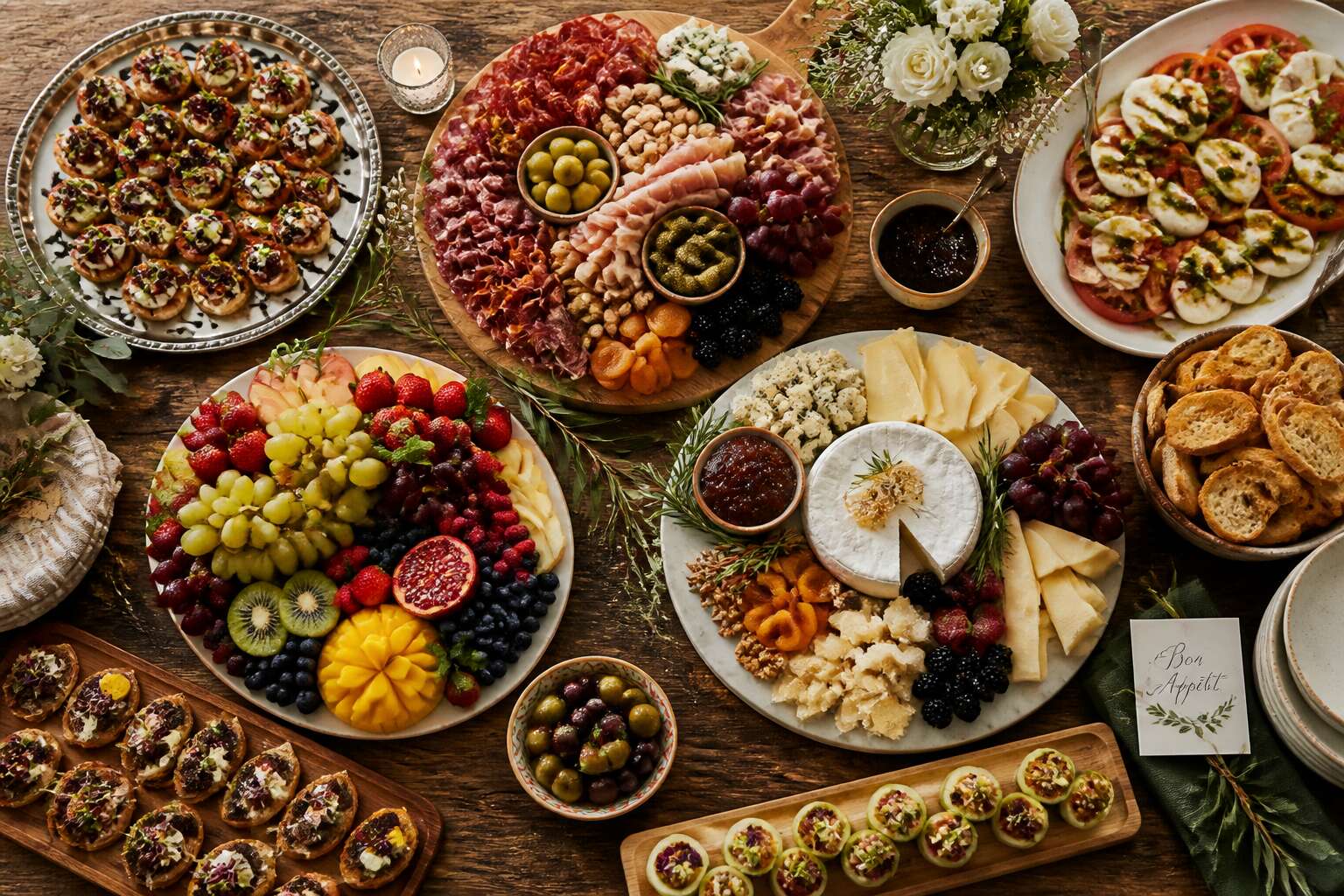
Grazing tables have become a standard feature at South African events. Plates and platters catering now involves a specific skill: making food look untended while ensuring every morsel is fresh. The latest styling trend favours asymmetry, but this still requires deliberate placement. A single drooping herb can ruin the entire composition. One method is to crowd the table in sections. Place sturdy items like cheese wedges and sliced meats low. Then lean delicate garnishes against them. This builds depth without needing a florist.
Edible flowers appear on many boards, yet they offer little flavour. Use them sparingly. Guests judge by sight before taste. If your table appears disorganised, they may hesitate. For effective plates and platters catering, embrace structure. Let each item occupy its own space. Plates and platters catering demands attention to sight lines over scattered abundance.
Minimalist Monochrome Presentation
Minimalist monochrome presentation is reshaping event tables in South Africa. The all white look, where crockery and food share one palette, creates a quiet kind of drama. Guests read shape and texture first. Plates and platters catering with this approach uses negative space as a design tool. Instead of filling every gap, allow breathing room. Let a single colour family carry the display.
Consider this structure:
– Pick one tone, like ivory or charcoal, and commit.
– Match serving pieces to the food for a seamless spread.
– Use height sparingly with a single cake stand or stacked crates.
The restraint feels modern. It also makes the work easier. Plates and platters catering with monochrome styling hides the mismatch of different batches. It directs attention to the craft of preparation rather than the dressing of the table.
Edible Garnishes and Floral Accents
The eye reaches the table a full three seconds before the fork does. That tiny window decides whether your spread feels curated or chaotic. Edible garnishes and floral accents now lead the styling charge in South African catering.
Marigold petals add a citrusy snap. Borage flowers taste like cucumber. Fynbos sprigs bring a local texture that no imported rose can match. These elements do more than decorate. They signal that your plates and platters catering has considered every sense.
- Use only petals that you would eat.
- Keep stems trimmed so they do not touch the food.
- Match flower colours to the serving ware.
- Test each garnish for bitterness.
The key is restraint. One blossom per plate reads intentional. A scatter of herb leaves across a sharing board creates depth. The arrangement should echo the season. That is what holds attention.
Mixing Vintage and Modern Platters
Some of the most memorable tables in South Africa pair old with new. I have watched guests linger over a tarnished silver tray sitting beside a modern concrete board. That contrast does the work for you. Collect pieces over time. Visit second-hand shops in Cape Town or Johannesburg for those with patina, then combine them with contemporary shapes.
Mixing eras changes how a table feels. Guests slow down when they spot something unfamiliar. A vintage milk glass cake stand next to a dark slate board gives the eye a route across the table.
In plates and platters catering, the mix must stay intentional. Keep one era dominant and let the other act as an accent. That way the spread reads designed, not chaotic.

0 Comments