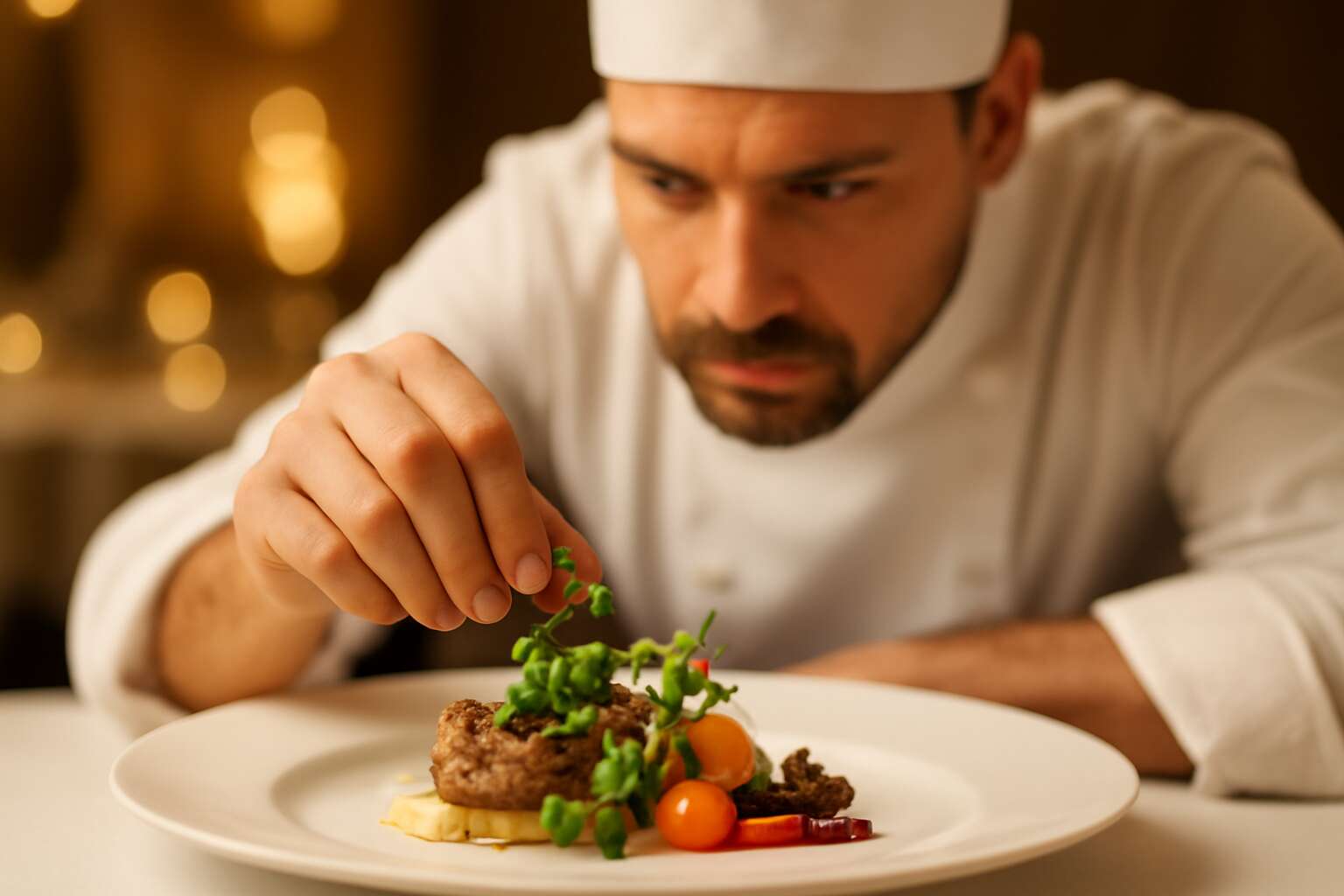
Cost Drivers in Catering
Labor, Staffing, and Certification Costs
“Every banquet is a ledger,” says a veteran South African caterer, and that ledger reveals the answer to one question: why is catering so expensive? The cost tag on a plate reflects years of training, strict food safety, and a promise of reliable service.
Cost drivers unfold in three core areas, interlinked like a ritual. Here are the levers that push the price tag up, especially in SA markets:
- Labor costs and skilled service hours, which reflect training, safety practices, and overtime
- Staffing constraints and turnover, demanding reliable teams even during peak seasons
- Certification, licensing, and ongoing compliance costs that ensure safe, high-quality food delivery
In South Africa, these forces mingle with transport, seasonality, and demand spikes, turning preparation into a choreography of resources and risk. The result is a plate that carries not just flavour but a narrative about care and craft!
Menu Design, Customization, and Special Requests
Custom menus are the garnish on the main dish of expense. “Custom is the secret sauce to the price tag,” a SA caterer muses. When a menu must balance crowd-pleasers, dietary realities, and the venue’s quirks, the planning dollars add up long before a single tray leaves the kitchen!
Here are some levers in menu design that push the price tag higher, neatly sidestepping legacy myths about ‘cheap catering’.
- Ingredient provenance and seasonal sourcing that favors local markets
- Portion architecture and multi-course staging increases prep hours
- Special plating and service requirements, from live stations to custom garnishes
SA clients crave flair, but the numbers dance to a practical drumbeat: design choices, timing, and the dance of demand. That quandary—why is catering so expensive—lurks behind every elegant canapé and every rehearsal dinner.
Equipment, Rentals, and Service Style
Here’s a hard truth: why is catering so expensive isn’t accidental. I’ve watched budgets tighten around gear as the room hums with rental crates. A recent industry pulse shows equipment choices and service styles can swallow up to 40% of an event’s budget before the first canapé lands. The money trail starts with gear—rental rates, transport, and the wear on polished chafers—and travels through every moment of service and setup.
Consider these cost drivers:
- Equipment rental and depreciation on premium gear
- Delivery, installation, and retrieval windows
- Cold chain, power, and contingency gear
- Special serviceware and live stations
Service style matters: plated courses, live stations, or elegant buffets all carry different timing and insurance implications, shaping the final figure. In the SA market, flair meets practical equipment and logistics.
Venue Logistics, Travel, and On-site Setup
In South Africa, venue logistics are the hidden engine of every quote. Distance, traffic, and access windows push labour, transport, and equipment handling into premium territory. The result is a margin-scorching sum before service begins—the question why is catering so expensive lingers in proposals.
- Transport and fuel to and from venues, especially remote locations
- Delivery windows and venue access times that constrain crew schedules
- Cold chain management and on-site power needs for equipment
- On-site setup, break-down, and contingency gear to cover delays
These factors shape the final figure in South Africa, where premium gear and meticulous travel planning collide with on-site operations.
Ingredient Costs and Sourcing
Quality Standards, Sourcing Options, and Supplier Relationships
Ingredient costs in South Africa aren’t just price tags; they map where produce comes from and how it’s handled. The best ingredients carry traceable quality—from farm to fork—plus strict handling and storage. That network explains why is catering so expensive and why menus shift with seasons and supply pulses.
Here are sourcing options that shape price and palate.
- Local farms across the Cape and inland provinces
- Regional wholesalers for consistency
- Importing specialty ingredients for unique menus
Supplier relationships drive reliability, lead times, and bulk pricing. In SA, long-standing partnerships with trusted growers and distributors safeguard freshness and traceability, even when demand spikes. Open dialogue and clear expectations keep service levels high without compromising quality.
Seasonality, Local Produce, and Import Considerations
Seasonal winds steer prices in SA kitchens, turning produce into a weathered budget barometer. Seasonality drives supply pulses that shape every menu. This is a core driver of why is catering so expensive. Harvest windows, storage losses, and logistics all do their part.
- Seasonal harvest windows
- Supply chain disruptions
- Transport and spoilage risk
Local Produce: The best flavours ride with traceability, yet local produce follows rainfall and regional demand. I’ve watched Cape tomatoes surge after a dry spell and then ease when rain returns—the weather has a hand, and so does the market spirit.
Import Considerations: Importing specialty ingredients adds novelty but also duties, currency swings, and longer lead times, pushing up the final bill even when the dish shines with global flair. That’s part of the puzzle—why is catering so expensive.
Portion Control, Waste Management, and Yield
South Africa’s event kitchens whisper a brutal truth: waste gnaws the bill. When portions stray and plans falter, margins slip. This surplus-and-spoilage drama helps answer why is catering so expensive.
Ingredient costs hinge on sourcing as price tags. Local farms bring brightness but seasonal surges; imports add novelty yet carry duties and delays.
- Seasonal premiums and scarcity
- Import duties and exchange-rate swings
- Traceability and ethical sourcing
- Bulk vs fresh ordering, balancing risk
Portion control acts as a vigilant steward: standard portions tame waste, ensure consistency, and keep numbers honest.
Waste management is stewardship: real-time tracking, smart repurposing, and measured donations turn scraps into savings.
Yield is the quiet architect of cost. Forecasted yield and careful trimming align plates with price.
Packaging, Labeling, and Food Safety Compliance
“The bill begins at the packaging,” a South African caterer once told me, and it isn’t far from the truth. Ingredient costs are more than the sticker price; they’re the opening chapter in why is catering so expensive.
In South Africa, packaging and labeling demand careful attention: sourcing bright, durable packaging, tamper-evident seals, recyclable wraps, and traceability codes all travel with the box from farm to function. Every added protective layer or printed allergen notice tightens margins while guarding guests and brands.
These packaging and compliance elements matter.
- Durable packaging that sustains heat and travel
- Clear labeling with allergen and origin information
- Compliance records and shelf-life notes
In the end, every packaging choice and safety checkbox translates into quality guests can trust, and into costs that linger long after the event.
Service Model and Operational Overheads
Plated versus Buffet Service Cost Implications
Gleaming chafers, velvet tablecloths, and the soft clink of glassware create an illusion of ease, but the service model behind catering is the true engine of cost. The question why is catering so expensive often hinges on how guests are served—plated dishes versus a bustling buffet.
Plated service demands precise timing, immaculate plating, and a front-of-house brigade trained to pace courses. It tightens kitchen logistics, increases setup and breakdown, and elevates standards for food safety and presentation. Buffet service, by contrast, can lower per-guest labor time but requires more space, replenishment rounds, and waste management planning. In South Africa, these choices interact with venue rules, transport realities, and seasonal ingredient availability, shaping both the dream and the bill.
Ultimately, the value lies in the experience and reliability; the more the event leans into refined plating and ceremony, the higher the overhead climbs even as guests enjoy a moment of magic.
Staffing Ratios, Training, and Guest Experience
Service models shape the bill as surely as flavor shapes a plate. In South Africa, staffing ratios, service pacing, and rigorous training fuse to protect the guest experience. Plated service demands precise timing, meticulous plating, and front‑of‑house teams trained to cradle each course. It tightens kitchen logistics and elevates safety standards, which quietly inflates overhead costs. The question why is catering so expensive often sits in this quiet arithmetic, where every minute on the floor carries wage, supervision, and pride.
- Front-of-house staffing ratios that ensure timely, courteous service without burnout
- Comprehensive training hours covering food safety, presentation, and guest interaction
- Cultivating a consistent guest experience through rituals, pacing, and cultural awareness
Balancing these elements with venue realities, transport, and seasonal menus is where the value—despite the cost—often reveals itself in memorable moments.
On-site Kitchens, Equipment Rentals, and Utilities
Power, water, and warmth—these are the quiet costs that keep a hot plate moving. On-site kitchens in South Africa demand robust infrastructure, airtight safety measures, and reliable backup systems, all of which push overhead without compromising the guest experience. We feel it daily.
Here are the main pressure points driving overhead:
- Electricity and gas readiness that scales with guest numbers
- Equipment rentals for chiller rooms, warming units, and specialised plating gear
- Utilities management, including water, waste, and climate control
With transport, setup, and service pacing factored in, the cost becomes a calculated art. The question, why is catering so expensive, has its answer in on-site realities that keep events safe, smooth, and memorable.
Transportation, Timing, and Coordination
In South Africa, almost a third of a catering bill goes to service models and overhead—the unseen gears that keep food safe and on time. That’s a big piece of why is catering so expensive. The moment a menu is locked, transport routes, timing windows, and on-site choreography all start to add up.
- Transportation scheduling and fuel management
- Timing of service windows and pacing between courses
- On-site liaison across crews to prevent delays
These overheads aren’t vanity costs; they safeguard safety, reliability, and guest experience, ensuring events run smoothly even when plans shift at the last minute.
Event Timeline, Setup, and Breakdown Efficiency
In South Africa, the clock is money: a sizable slice of a catering bill funds service models and overhead—the unseen gears that keep food safe and on time. Once menus are locked, event timelines, setup choreography, and breakdown logistics begin to stack up behind the scenes.
- Event timeline discipline
- Efficient setup and breakdown choreography
- On-site liaison across crews
- Continuous quality checks
These overheads aren’t vanity charges; they safeguard safety, reliability, and guest experience. They also answer why is catering so expensive: on-site choreography, precise pacing between courses, and cross‑crew liaison that keeps events moving when plans shift.
Planning Practices that Influence the Final Price
Early Booking, Lead Times, and Price Lock-ins
Planning is the stealth jet fuel behind every catering bill. In South Africa, early bookings can shave as much as 15% off the total by locking in suppliers before demand surges. Longer lead times also dodge last-minute surcharges and give you serious negotiating power.
Here are planning practices that influence the final price:
- Early booking and firm dates to lock in quoted rates
- Off-peak scheduling (weekdays, shoulder seasons) to ease demand
- Flexible menu design that aligns with supplier capacity
Price lock-ins turn volatility into reassurance. Fixed quotes with clear escalation clauses for fuel, imports, or taxes help answer why is catering so expensive, by keeping the budget in rand terms and shielding you from surprise spikes.
Guest Count, Scale Effects, and Menu Engineering
Prices shimmer like heat mirages over a Cape Town market as events approach. Early guest rosters can shave up to 15% off the total, a windfall when demand climbs. Planning for guest count is more than a headcount; it co-designs procurement, staffing, and service choreography.
Scale effects follow the guest list: bigger gatherings move fixed costs into more meals, tables, and hours of service. Per-guest prices may descend, yet the total bill climbs as logistics swell—I’ve seen teams scramble to coordinate transport, setup, and on-site service.
Menu engineering thrives on flexibility: seasonal South African produce, careful substitutions, and portion-aware designs keep flavor intact while taming cost pressure. The right mix answers the perennial question—why is catering so expensive—by balancing abundance with disciplined sourcing and waste control.
Substitutions, All-Inclusive Packages, and Hidden Fees
Catering budgets are like weather reports—uncertain, but telling. In South Africa, substitutions after final menu design can tilt the total by as much as 15%, turning a predictable quote into a moving target. This helps answer why is catering so expensive.
Substitutions ripple beyond the plate: a rarer protein might boost cost; a swap to seasonal produce can drop it, but only if your supplier has reliable stock. I’ve learned to balance flavor with forecasted yield and avoid waste by keeping a small set of interchangeable components.
All-inclusive packages offer simplicity but can mask costs attached to staffing, transport, and setup. They can save money by volume or fatten the bill if you’re not careful about the included count and substitutions.
Hidden fees lurk in the fine print: service charges, delivery, cleaning, and venue surcharges.
- Delivery and setup charges
- Venue surcharges and corkage
- Minimum staffing requirements
Contract Terms, Service Guarantees, and Insurance
In South Africa, planning a feast is a choreography of trust, forecast, and risk. I watch the price tag rest as much on contracts as on curries—guarantees of service, contingency plans, and insurance live beside the menu. So, the question ‘why is catering so expensive’ becomes a hinge on which value and reliability turn.
- Contract terms that lock in a price, define substitutions, and spell out cancellation policies.
- Service guarantees with clear response times, on-site presence, and robust contingency planning.
- Required insurance coverage, liquor liability, and venue compliance to prevent last-minute penalties.
In a market where expectations run high, meticulous planning underpins the final cheque—a graceful balance of aspiration and accountability that keeps memories pristine and partners solvent.
Value Adds, Custom Decor, and Optional Extras
Planning practices shape the final price more than any single dish. In South Africa, calendar milestones, tastings, and approvals become guardrails—ensuring timing, texture, and memory align. Thoughtful scoping translates into fewer costly surprises and a smoother run on event day, where precision is a luxury the budget earns through confidence. Every decision, from decor intent to guest experience, adds value that travels beyond aesthetics.
Value arrives as carefully curated extras that elevate an ordinary menu.
- Decor concepts that echo the event’s story
- Experiential stations that invite interaction
- Premium service touches, from refined staffing to precise choreography
Each adds momentum to the figure.
In those details lies the answer to why is catering so expensive, a reflection of meticulous planning, value adds, and the confidence it buys.


0 Comments