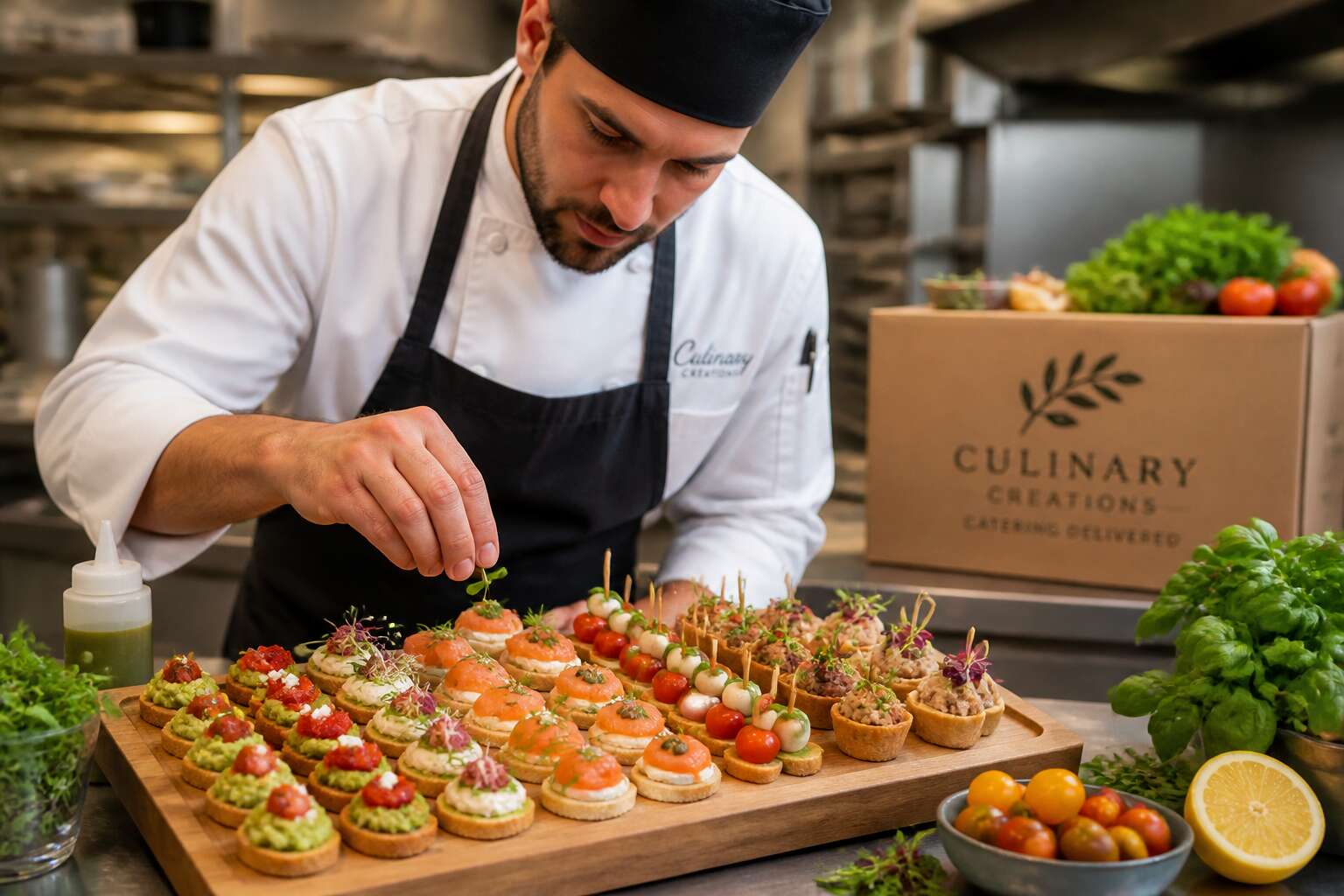
Understanding Direct Catering Services
What Does Ordering Direct Actually Mean?
The moment you decide to feed a crowd, you face a choice that affects your budget and your sanity. You can hire a broker who resells someone else’s labor, or you can choose catering direct. Going direct means you deal with the team that actually cooks, plates, and delivers your meal. No extra layers, no translated requests, no surprise markups.
Here is what ordering direct actually gives you:
- A clear per-person price covering ingredients and labour.
- Direct answers about allergies or last minute changes.
- Proof that your money stays with the kitchen.
That is what catering direct offers: clarity over confusion. When you speak straight to the people holding the pans, every question finds an honest answer.
How Direct Catering Differs from Third-Party Platforms
Third-party platforms can list 500 caterers, but the person answering your call has never seen your venue. That distance breeds miscommunication. Catering direct removes the distance by connecting you with the actual kitchen team, the ones who will chop, sear, and plate your food.
In our experience, platforms monetize convenience. They charge commissions that inflate your quote and standardise menus that ignore local ingredients. Direct catering works differently. You speak to a chef who knows which coastal fish is freshest and how to adjust portions for a Durban winter function.
When you book catering direct, you get:
- Quotes based on real regional ingredient costs, not national averages.
- Menus built around your guests, not portal templates.
- One contact person from first call to final plate.
Intermediaries add friction. Direct catering removes it.
Common Types of Direct Catering Providers
The most dangerous question you can ask a caterer is “Who actually cooks?” because the answer reveals everything about pricing, quality, and risk. In the direct catering world, that answer changes depending on which provider you hire.
Understanding direct catering services starts with mapping the terrain. You have three main archetypes:
- Private chefs who cook exclusively for your table and buy ingredients that morning.
- Independent caterers who own their pots, ovens, and fridges, and scale up or down per event.
- Restaurant kitchens that pivot to off site functions while still serving their regular menu.
Each type prices differently and handles disruptions differently. That is why catering direct demands you ask about their backup plan, not their signature dish.
Who Benefits Most from Booking Directly
The person who benefits most from catering direct is not the host with the largest guest list. It is the host with the most difficult venue. Picture a farm wedding outside Stellenbosch, or a product launch in a bare warehouse. A direct provider arrives with portable stoves, prep tables, and their own water supply. They adapt to the space, not the other way around.
This model also suits clients with unusual menu specifications. Allergies, religious dietary requirements, or a stubborn craving for a regional dish become negotiable when you speak to the actual cook. Booking through a platform inserts a middle layer between your wishes and the person doing the cooking. That layer costs you nuance. Catering direct removes it, and that is exactly what you want!
- Your event falls outside standard lunch and dinner hours.
- Your venue lacks municipal power or water connections.
- You insist on tasting every dish before you sign.
Key Benefits of Booking Your Caterer Directly
Lower Costs and No Middleman Fees
Every third-party platform adds a commission that often climbs past 15% of your total bill. That money does not improve the food or the service. Booking your caterer directly removes that layer entirely, so your full budget reaches the kitchen and the staff who actually deliver your event.
Lower costs appear in three places: the per-head price, the delivery fee, and the hidden service charges. Eliminating the middleman shrinks those figures or makes them vanish. A direct booking can save up to 20% on the same menu from the same caterer.
- No platform markup on each plate
- No inflated delivery surcharges
- No booking fee added at checkout
The caterer receives your full payment and offers a better rate because they are not splitting proceeds with a website. This is the simple logic of catering direct, and it works in your favour from the first quotation.
Greater Menu Customization and Flexibility
Most catering quotes arrive with a fixed menu and minimal room to adjust. Booking direct changes that! The caterer works with you face to face, so your dietary needs and flavour preferences travel directly into the kitchen. I have seen a client request a three course meal built entirely around seasonal Cape produce, and the caterer redesigned the menu within an hour.
Flexibility shows itself in small but meaningful ways! Direct caterers will change a main course two days before the event, or split a starter course to suit different table sizes. They do this because the margin stays with them, not with a booking platform.
This level of responsiveness works best when you have a direct connection. The middleman adds a buffer that turns simple requests into formal negotiation. With catering direct, the person who cooks your food hears your requirements first.
Direct Communication and Personalized Service
A booking portal gives you a confirmation number. Catering direct gives you the caterer’s attention. You speak with the person who will prepare and serve the food, and that changes how every detail is handled.
Direct communication prevents misunderstandings. If you need to adjust the time or explain a guest’s dietary restriction, you say it once, and the kitchen hears it. With catering direct, the caterer learns your personal style, which leads to suggestions you would never get from a call centre. For hosts in South Africa, this level of personal service is the difference between a standard event and one that feels warm.
- Adjust a course without layers of approval.
- Ask about local ingredients for your season.
- Get honest advice on portions and flow.
Access to Exclusive Packages and Seasonal Offerings
Some of the best catering deals never appear on a booking platform. Choosing catering direct puts you in front of the caterer’s seasonal offerings before they are advertised. I’ve seen winter harvest menus with Karoo lamb, and summer seafood spreads with line fish from the Cape. These rotate quickly and sell out through direct enquiries.
Direct clients get access to packages that include:
- Seasonal ingredient sourcing updates
- Off-peak date discounts
- Wine pairing add-ons from local estates
Booking portals only show what fits their template. The caterer’s own list, shared personally, holds the offers that matter for your date and region.
Building Long-Term Relationships with Your Caterer
A caterer who remembers your mother’s aversion to coriander is worth more than any discount code. That familiarity becomes institutional knowledge. Choosing catering direct removes you from the dispatch schedule. You become a returning client whose palate and preferences are part of the professional record.
In my experience, this accumulated understanding produces practical gains. The caterer anticipates how much food your guests will consume, steers you toward suitable dishes, and flags venue quirks before they compound.
- Dietary preferences remembered without repeated forms
- Access to waitlisted dates as a known client
- Honest guidance tailored to your specific guest list
The relationship compounds with each event. A caterer who fed your family at a funeral, a wedding, and a year-end function understands the scope of your occasions. I have seen this play out repeatedly. Choosing catering direct builds that continuity, and continuity cannot be duplicated by any third party.
Faster Response Times and On-the-Spot Adjustments
When you book catering direct, response times compress. A phone call reaches the person who will cook your food, not a support desk that relays queries to another department. This matters most in the hours before your event, when a guest count shifts or a venue manager raises a concern.
Direct caterers handle on the spot adjustments because decision makers remain on site. They swap a protein, alter portion sizes, or reconfigure service timing without seeking platform approval.
- Last minute seating changes
- Sudden dietary requests
- Weather related service shifts
These get resolved immediately, keeping your schedule intact.
I watched a caterer rework a menu ten minutes before service because a supplier delivered the wrong fish. No third party could match that speed. Catering direct gives you that advantage.
How to Choose the Right Caterer for Your Event
Assessing Your Event Size, Style, and Budget
In South Africa, close to 70% of event planners say the meal defines success. Choosing the right caterer starts with assessing your event size, style, and budget in that order. Guest count drives venue constraints; style sets the culinary tone; budget draws the boundary lines around both.
Each element interlinks, yet many hosts begin with price alone. That often leads to disappointment. When you opt for catering direct, you can ask precise questions about portioning and service teams without a middleman filtering your requests. Consider the following when evaluating caterers:
- Seating plan dimensions and flow
- Weather contingencies for outdoor spaces
- Staff to guest ratios for your service level
These factors become part of your initial conversation. A direct caterer will respond with concrete adjustments, not vague reassurances. That clarity shapes a menu worth remembering.
Researching Local Catering Providers Thoroughly
Almost 8 in 10 Johannesburg hosts admit they book the first caterer who returns their call. That haste often leads to bland tables and strained service. To choose wisely, research local catering providers with the same care you would give a wine pairing.
Begin by examining their previous events through social media and client testimonials. Then request a site visit, not merely a menu quote. Observe how their team handles the venue’s quirks.
- Check health and safety certifications
- Ask about backup staff for peak hours
- Sample dishes exactly as they would be served
When you opt for catering direct, you can verify these details without a platform’s filter. A thorough caterer will openly share their supply chain and seasonal sourcing. That transparency reveals their true capabilities. Trust the evidence, not the promise.
Evaluating Reputation Through Reviews and References
Reviews can be curated, but references cannot. When you choose catering direct, you have the right to ask a caterer for names of past clients, not merely star ratings. Call those references. Ask about dropped canapés, late staff, and how the team handled a crisis. One truthful conversation reveals more than fifty glowing paragraphs.
- Confirm the reference’s event date and venue size match yours.
- Ask if the caterer delivered on specific menu promises.
- Check whether the client would book them again without hesitation.
In my experience, direct booking gives you access to this unvarnished perspective. The reviews matter, but the references are the ground truth. Weigh both before you sign!
Conducting Tastings and Menu Consultations
A tasting shows you what actually happens in the kitchen. Booking catering direct means you meet the chef who cooks your food. That changes the conversation. Ask for an open menu discussion, not a fixed proposal.
During the consultation, press on specifics. Request seasonal substitutes. Probe how they handle dietary restrictions. A caterer who improvises with confidence is worth more than one who follows a script.
- Assess portion size against your guest count.
- Note how dishes hold up after ten minutes.
- Ask about sourcing local South African ingredients.
Direct contact makes these conversations honest. You are not negotiating through a middleman. You test their skill and their willingness to listen. That determines your choice.
Comparing Quotes Beside Services and Deliverables
When quotes arrive, resist the urge to compare totals alone. A lower price from a catering direct provider might omit glassware, staffing, or transport. Ask each caterer for a line item breakdown that lists portions, serving styles, and equipment.
- Check the cost per head against the menu length.
- Confirm whether the quote includes setup, service, and breakdown.
- Ask what happens to unused food or extra portions.
Match the quote with the deliverables that matter for your event. Some quotes favour elaborate presentation, while others cover logistics and waste removal. Catering direct often means fewer overheads, but verify that savings appear in the deliverables, not only in the bottom line. A transparent quote tells you how the caterer thinks about your specific day.
Checking Availability, Capacity, and Reliability
Hiring a caterer starts with a simple question: can they actually serve your event? Availability is the first hurdle. A popular kitchen may double book or accept more than it can handle. Ask for their schedule in writing before discussing menus. Then probe capacity. If your venue holds 300 guests but the caterer only has ovens for 100 covers, that gap will surface as slow service. Catering direct does not guarantee spare capacity.
- How many events do they run on your date?
- What is their maximum capacity with current equipment?
- Do they have backup power for load shedding?
- Who runs the kitchen on the day?
A reliable catering direct partner shares their limitations openly. They will tell you when a request pushes beyond their reach. This honesty matters more than any glossy proposal, because it protects your day from avoidable failure.
Essential Questions to Ask Before Booking
Pricing Structure, Service Fees, and Gratuity
A single omitted line in a catering contract can turn a celebration into a quiet financial disaster. When you choose catering direct, you negotiate with the people who cook, not a call centre. That clarity demands sharper questions.
Ask how the pricing structure treats each head. Is it a fixed package or a variable scale? Then probe the service fees! I’ve seen quotes that omit basic delivery costs. Does the quote include travel, equipment, and waitstaff? South African venues often hide these in vague line items.
- What percentage is added for staffing and setup?
- Is gratuity a flat rate or a percentage of the final bill?
- Who receives the gratuity, and does it cover all service hours?
Finally, request a written breakdown of every fee. If a caterer hesitates, that is a risk. Catering direct only saves money when the price is fully complete.
Minimum Order Requirements and Additional Charges
Minimum order requirements often determine whether a small event is viable. Many kitchens will not dispatch a team for fewer than fifty guests, and some tie their floor to a minimum spend instead of a head count. Ask whether the threshold applies per event or per delivery. This matters most when you are sourcing catering direct for a small function, because a hidden minimum can double your per-plate cost.
Additional charges often surface after the contract is signed. Fuel surcharges, rental equipment, and overtime hours can all appear as separate line items. I recommend asking which expenses are folded into the quoted price and which remain variable.
- Do you charge a delivery fee for each trip or one flat rate?
- Is there a penalty for reducing guest numbers after confirmation?
- What happens if the event runs past the agreed service window?
These three answers reveal whether your catering direct quote is a true total or a starting figure.
Food Sourcing, Freshness, and Dietary Accommodations
When you book catering direct, the conversation should turn to the provenance of every ingredient. Ask where the kitchen sources its produce, whether the fish was landed locally, and if the butcher supplies free-range cuts. Freshness depends on a series of deliberate choices. One caterer I spoke with in Cape Town tracks each delivery from farm to chafing dish, which changes how the food tastes on the plate.
Dietary accommodations require a different set of questions. You need to know if the kitchen can isolate allergens, prepare Halaal or Kosher meals, and handle vegan or gluten-free requests without cross-contamination. Consider these checks:
- Can the chef describe the exact preparation area for allergy-safe dishes?
- Does the caterer source seasonal vegetables from nearby markets?
- Will the menu be adjusted on the day if a guest reveals an intolerance?
The answers reveal whether your catering direct experience feels personal or merely transactional.
Staffing, Setup, and Service Arrangements
Staffing shapes the tempo of an event more than any menu item does. Before you book, press the caterer on service ratios, how many waiters or chefs will be on the floor, and what happens during a rush. A clear answer reveals whether the team is experienced or simply enthusiastic.
Because you are working with catering direct, you can ask operational questions that platforms would never surface. Consider these:
- Who manages venue setup and breakdown, and does that cost extra?
- How do staff handle dietary questions from guests during service?
- What is the policy if a supplier fails to deliver equipment on the day?
Setup logistics deserve equal attention. Ask about load-in windows, refrigeration requirements, and backup power for hot stations. The answers will define your experience as seamless or stressful, and they separate a genuine partnership from a simple transaction.
Backup Plans and Contingencies for Inclement Weather
Booking catering direct should include a hard conversation about weather backups. Nobody controls the sky, but your caterer should control the response. Ask for the exact threshold that triggers a move indoors. Does the caterer supply portable shelters, or does that responsibility fall on you? In South Africa, summer thunderstorms arrive without warning, so clarity matters.
A reliable partner will have a written contingency for weather interference. They should outline communication during a sudden shift. Who makes the call, and how soon? Ask about costs for last minute changes. These details reveal true preparedness.
- Is venue coverage included in the quoted price?
- What happens to perishable food if setup is delayed?
- Does the contract allow rescheduling without penalty?
The answers separate a prepared team from a fair weather one. Insist on concrete responses before booking.
Contract Terms, Deposits, and Cancellation Policies
With catering direct, the contract demands your full attention. Deposits often run 30% to 50% upfront, but ask what happens if you reschedule. When you book catering direct, does the money transfer to a new date? Read the cancellation clause closely. Some South African caterers offer partial refunds within 14 days, others forfeit everything. These terms define your financial exposure.
Request a line item breakdown of every fee. Service charges, transport, and equipment hire should appear separately. Clarify payment milestones and accepted methods. A written invoice schedule prevents surprises.
- What exact deposit percentage is due and when?
- Are refunds prorated based on notice period?
The best caterers welcome scrutiny. If a provider hesitates to explain their policy, treat that as a warning. You are commissioning a service, not signing a lease. Transparent terms build trust.
Planning Your Menu and Logistics
Coordinating Delivery Times and On-Site Setup
One of the quiet pleasures of catering direct is that you control the timeline, which means your food arrives exactly when your guests are ravenous, not when a third party decides. Menu planning and logistics coordination go hand in hand. Your chosen caterer needs to know the venue’s loading bay restrictions, the kitchen facilities on site, and how long the chafing dishes can hold heat. Delivery times must align with your appetisers, mains, and desserts. If the peri-peri chicken lands at 2 PM but the ceremony runs late, you have a lukewarm crisis.
- Confirm your final headcount and menu adjustments 72 hours before.
- Share the venue floor plan and access codes with the caterer.
- Assign a single point of contact for the delivery team.
- Walk through the setup timeline, including buffer periods.
Catering direct lets you adjust this sequence up to the last minute, which is a privilege you will appreciate when the DJ arrives early. Simple coordination prevents chaos, and your guests will notice the smooth flow.
Setting Up Buffet Stations, Plated Service, or Food Trucks
A caterer once told me that the serving style dictates the entire event’s rhythm. With catering direct, you hold that rhythm in your hands. Buffet stations reward a casual crowd, letting guests move at their own pace. Plated service demands precision, and your caterer must sync every course without a third party fumbling the sequence. Food trucks bring their own charm, but they need power points and space for queues.
Before you finalise a menu, think about how each setup shifts your logistics. The caterer’s equipment list changes entirely. So does the staffing count.
- Buffets require chafing dishes and a clear lane for serving.
- Plated meals need a hot kitchen close to the dining area.
- Food trucks require generator access and dry ground.
When you book catering direct, you compare these needs against your venue’s realities during the planning stage. That means fewer surprises on the day. Your menu then becomes a simple response to the logistics you have already mastered.
Handling Special Dietary Needs and Allergies
When you plan a menu through catering direct, dietary needs become a precise logistical map rather than a polite request. South African events often mix kosher, halaal, and vegan requirements, so your caterer must trace each ingredient to verified suppliers. Cross contamination is not a side note; it is an operational constraint that shapes kitchen flow and serving order.
Consider how your chosen service style affects allergy management. A plated meal demands separate preparation lines. A buffet forces labelled chafing dishes and strict utensil segregation. Ask for:
- A complete allergen register for every station
- A dedicated prep area for free-from dishes
- A named staff member to handle guest queries
These details sit inside your direct contract, not in a middleman’s brochure. When you book catering direct, your menu responds to the venue’s actual kitchen capacity and your guests’ lived realities. That is how logistics turn from paperwork into a quiet, reliable rhythm.
Planning for Leftovers, Composting, and Waste Management
When you plan a menu through catering direct, every kilogram of food has a measurable path. Portion forecasting starts with the guest count and ends with a waste ledger. Leftovers are a planning variable, not an accident.
Ask your caterer how surplus will be handled. Some South African venues partner with food redistribution networks. Others compost on site. The difference affects your stock orders and disposal costs.
- Track which dishes produce the most waste
- Confirm compost pickup schedules with the venue
- Arrange sealed containers for safe leftover collection
Waste logistics belong in your direct contract, giving you control from order to final disposal.
Maximizing Value from Your Direct Catering Experience
Leveraging Bundled Services and Add-On Perks
The true arithmetic of a feast is never printed on the menu. It hides inside bundled services that only surface when you choose catering direct. A third party would obscure these details. Direct conversation reveals them plainly, and catering direct becomes a dialogue rather than a transaction.
- On-site event coordination
- Specialty linens and tableware
- Late-night snack stations
- Post-event cleaning crews
These add-on perks arrive at modest rates when negotiated face to face. The caterer saves on platform fees and passes that quiet benefit along to you. Ask about seasonal upgrades or staff extensions. Direct vendors will fold these into the original quote. A fixed price is merely a starting point for discussion. The shadow savings matter as much as the visible invoice.
Negotiating Prices, Packages, and Custom Upgrades
Negotiating catering direct means learning what sits inside the numbers. A quote is not a fixed document; it is a ledger with room to move. The caterer can show where costs flex and where they stay firm.
Custom upgrades follow the same logic. Swapping a plated dinner for a braai station changes the cost structure. Adding staff for the final hour carries a real price. Direct vendors recalculate instantly because they control their own pricing. That transparency is the value of skipping intermediaries.
Negotiable levers usually include:
- Portion sizing and protein choices
- Serving style and station formats
- Staff hours for peak service
Packages remain modular when arranged through catering direct. Vendors swap, extend, or trim components against the client’s actual needs. The published package is a suggestion, not a ceiling. Real negotiations happen between the lines of the invoice.
Tracking Costs and Sticking to Your Overall Event Budget
Tracking costs when you book catering direct means watching the money move in real time. I keep a simple spreadsheet with every line item from the quote: food, staffing, equipment, transport. Each category gets its own row. When the caterer sends an updated menu or service plan, I adjust the numbers immediately. That habit catches creeping costs long before they turn into surprises.
Some budget checks happen in the moment:
- The final invoice matched against the original quote line by line
- A running total requested after every menu change
- A hard ceiling set for add-ons during direct conversation
Catering direct gives you a single person to call when a price shifts. You hear it from the source, without layers of third-party noise. That visibility keeps the overall event budget intact, even while the menu evolves around the real needs of your event.
Providing Feedback for Future Discounts or Referral Rewards
Gratitude is nice, but a rebate is nicer. When you book catering direct, your feedback bypasses the algorithm and reaches the owner who sets prices. That proximity converts a complaint into a credit. After my last corporate function, I sent a pointed note about the soggy spring rolls. The caterer did not sulk. They offered a free appetiser station on my next booking. That is the leverage direct communication creates. The specific critiques carry more weight than the generic praise.
The rewards tend to follow a pattern:
- A menu tweak that trims your next invoice
- A waived delivery fee after a public endorsement
- A percentage off when your referral signs their first contract
Referral rewards are the quiet perk of an ongoing relationship with a catering direct provider. Your network becomes a lead source, and the caterer prices that value into your future quotes.
Creating a Seamless Event Flow with Caterer Coordination
Catering direct transforms a vendor into a partner. A caterer who works directly with you learns your preferences, your venue’s quirks, and your audience’s appetite. That knowledge becomes value you cannot buy through a platform. You receive advice on portions, honest notes on ingredients, and a willingness to adjust. This relationship pays dividends beyond the invoice.
Seamless event flow begins with coordination before the first tray leaves the kitchen. Share your timeline, the guest flow, and the mood you want to set. The caterer aligns their service pace with your programme. Understanding who directs the room and when to offer refreshments prevents bottlenecks. The event then unfolds without visible friction.
Consider these coordination anchors:
- Agree on one decision maker.
- Map where service begins and ends.
- Set a pause cue.
Catering direct puts these elements within reach. The platform’s abstraction disappears, leaving focused collaboration. Your event gains a rhythm that feels effortless.
Ensuring a Memorable Guest Experience from Start to Finish
Seventy percent of guests remember the meal longer than the venue decor. That statistic from industry research explains why catering direct changes the game! When you work directly with a chef, you control every sensory detail. The aroma at the door, the warmth of the plate, the timing of the first course. This is where value becomes tangible.
Catering direct lets you script the experience. You know exactly who prepares each dish and how it arrives. There is no third party distorting your requests. You can tweak portion sizes, swap sides, or shift service times based on the vibe in the room. The caterer responds immediately.
Consider what guests actually remember:
- The speed between courses
- The temperature of each serving
- The caterer’s attentiveness to dietary needs
These moments define your event. Maximizing value means using your direct line to test these details before guests arrive.



0 Comments